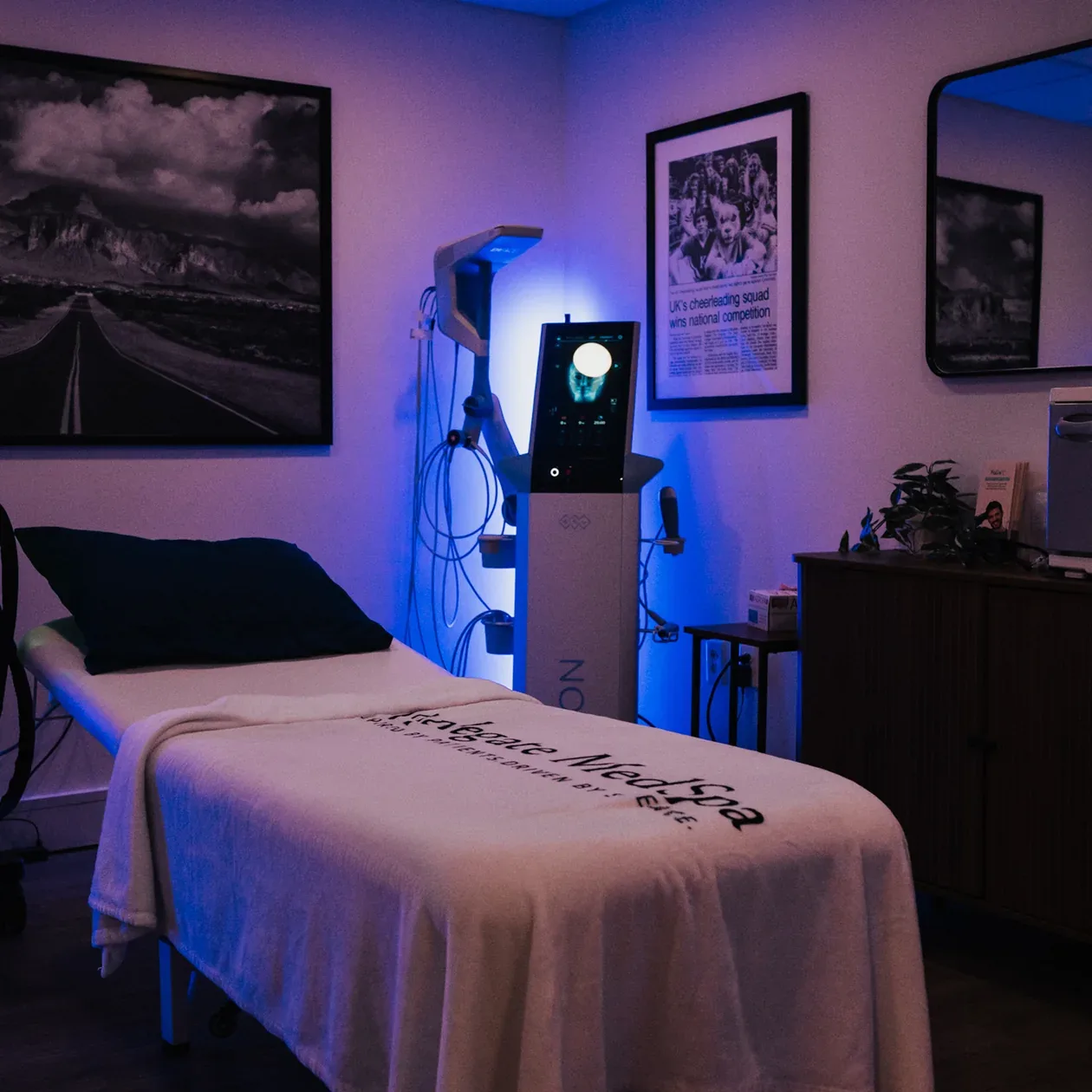
Emface for TMJ in Covington, KY: Jaw Pain Relief Without Injections
- Treatment Time:
- 20 minutes
- Downtime:
- None
- Sessions:
- 4 treatments
- Needles:
- None
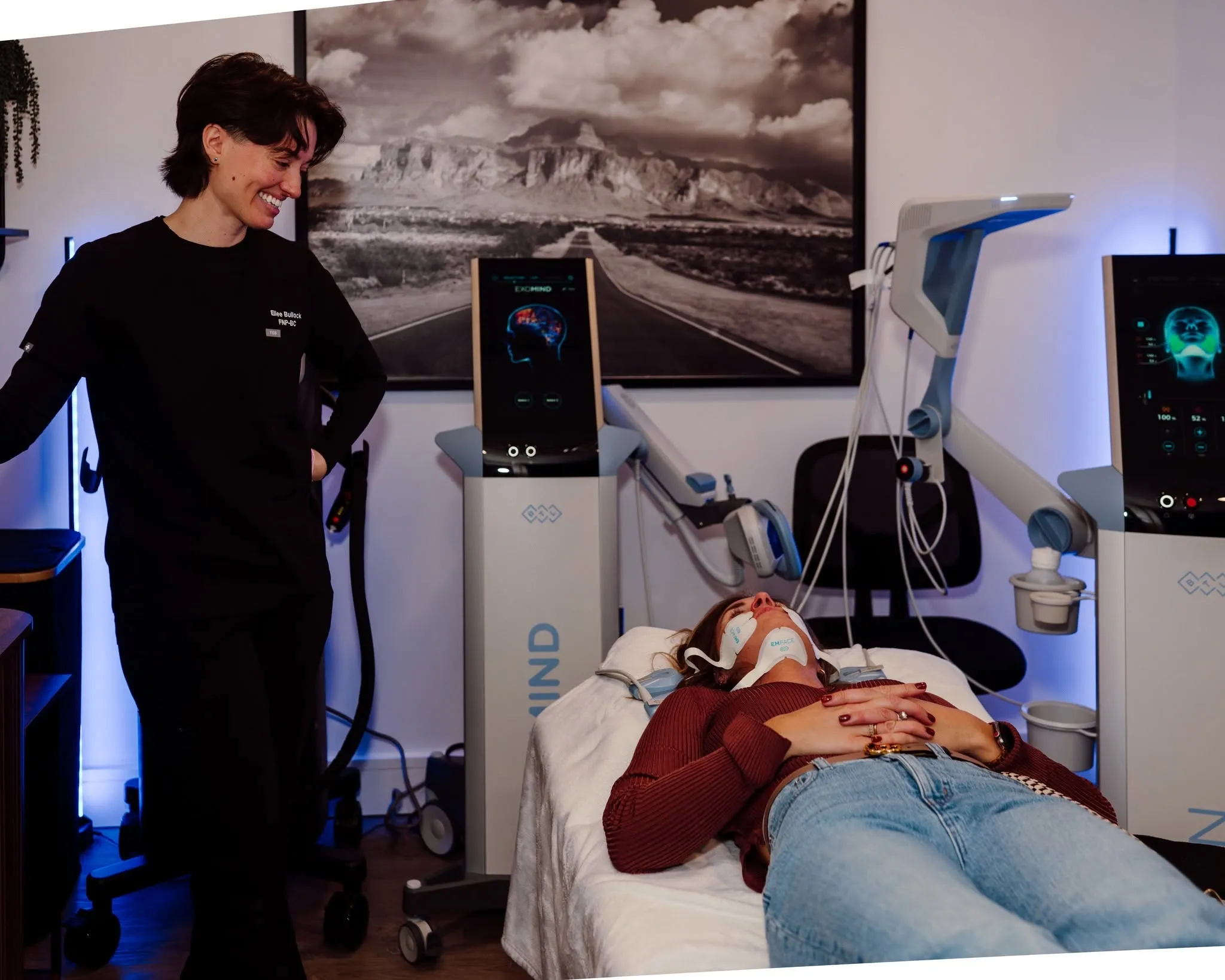
TMJ Care With Dental Expertise
Emface for TMJ, Informed by Dental Expertise
Emface for TMJ in Covington, KY uses synchronized radiofrequency and HIFES muscle stimulation on the masseter and temporalis muscles to calm an overworked jaw, with no needles and no injections. Patients from Covington, Newport, Taylor Mill and across Kenton County come to us when clenching and grinding have left their jaw aching.
Dr. Barry Applegate, DMD has practiced cosmetic and general dentistry in Covington since 1993 and was named a Cincinnati Magazine Top Dentist four years running. Jaw muscles, bite forces and clenching patterns are his daily work, which is why Applegate Dentistry & MedSpa approaches TMJ tension from a dental perspective first.
The Challenge
When a Clenched Jaw Calls for Emface for TMJ
Understanding Jaw Muscle Overload
Understanding Your Treatment
What Is Emface for TMJ?
The Science of HIFES and RF
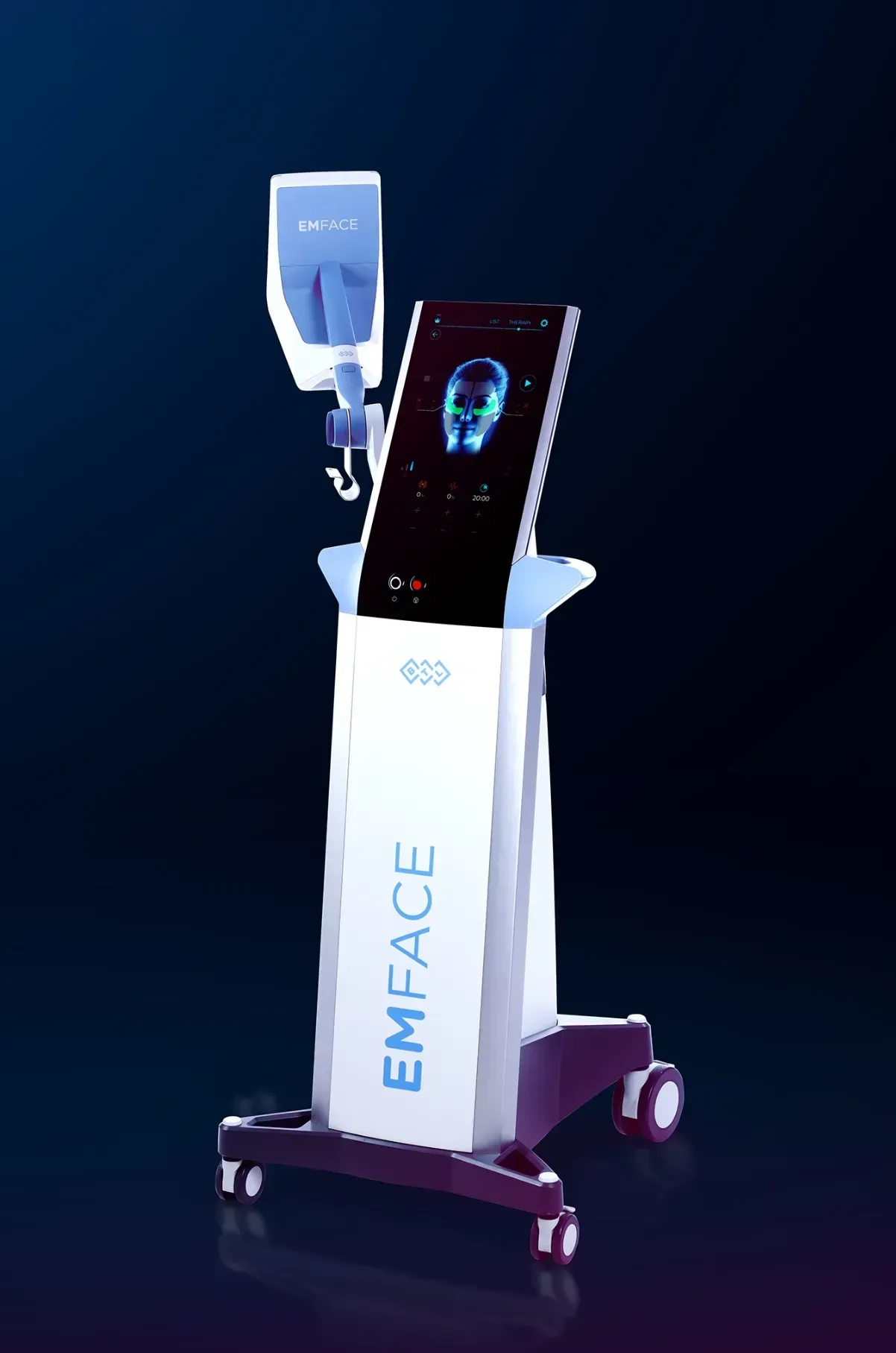
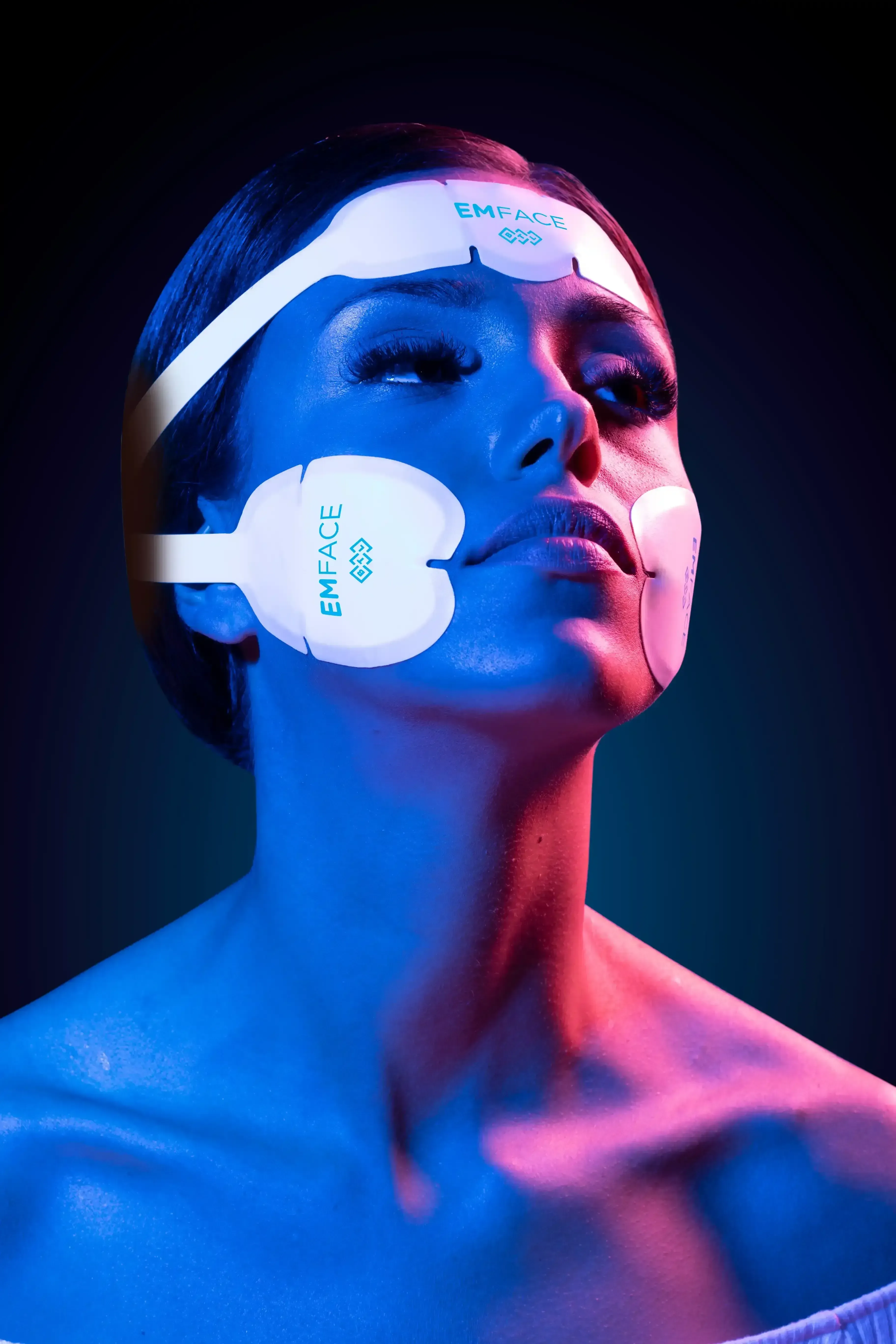
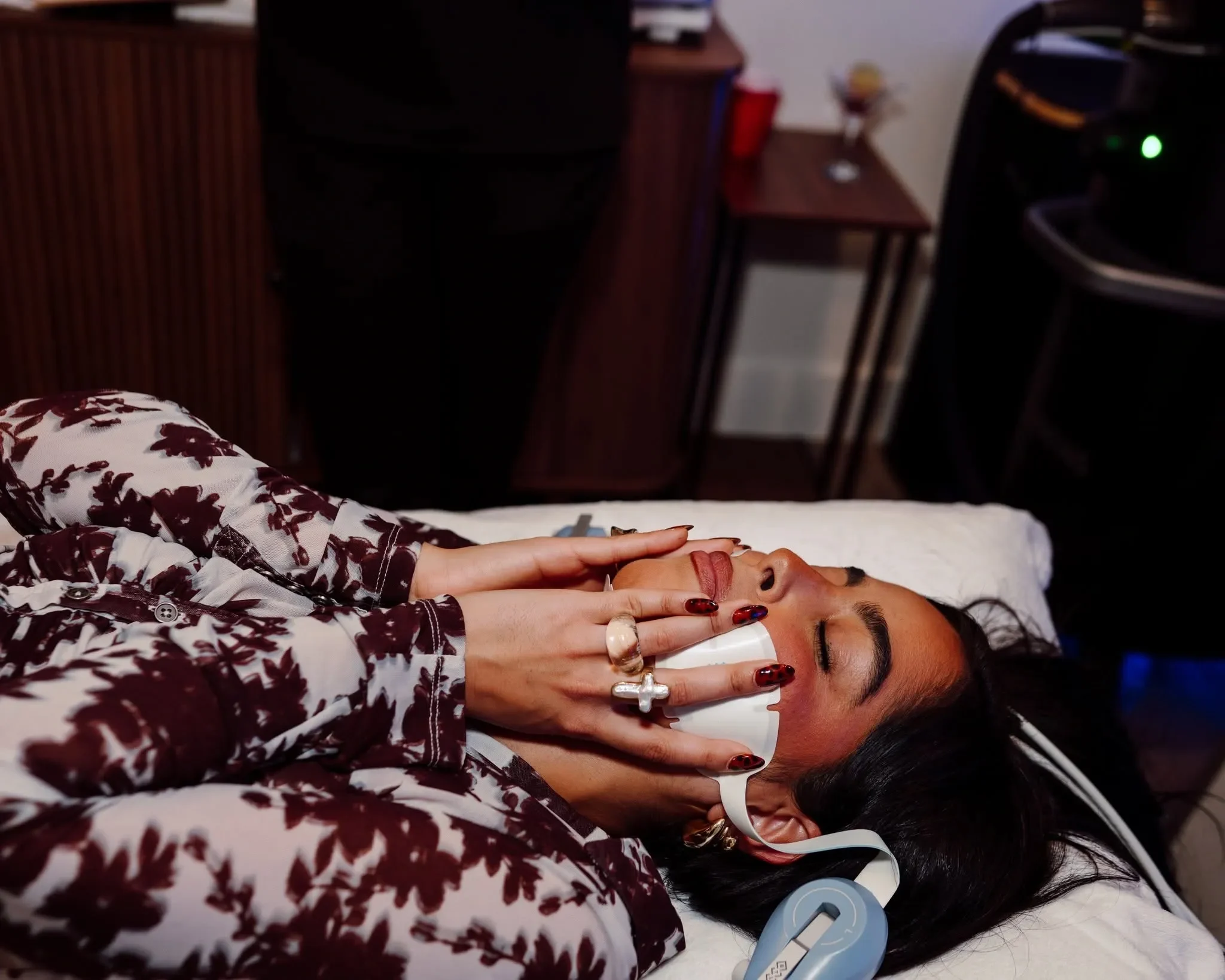
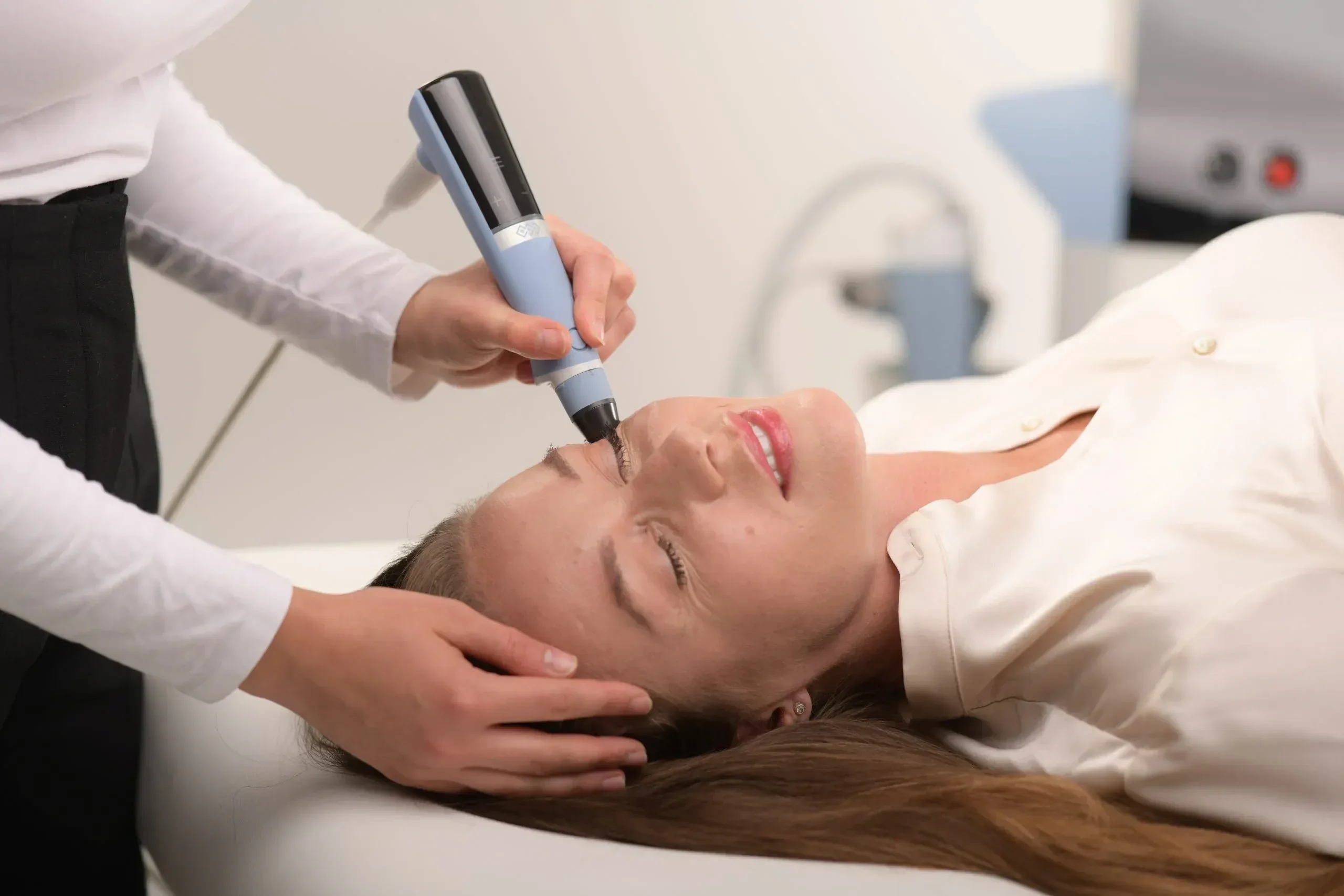
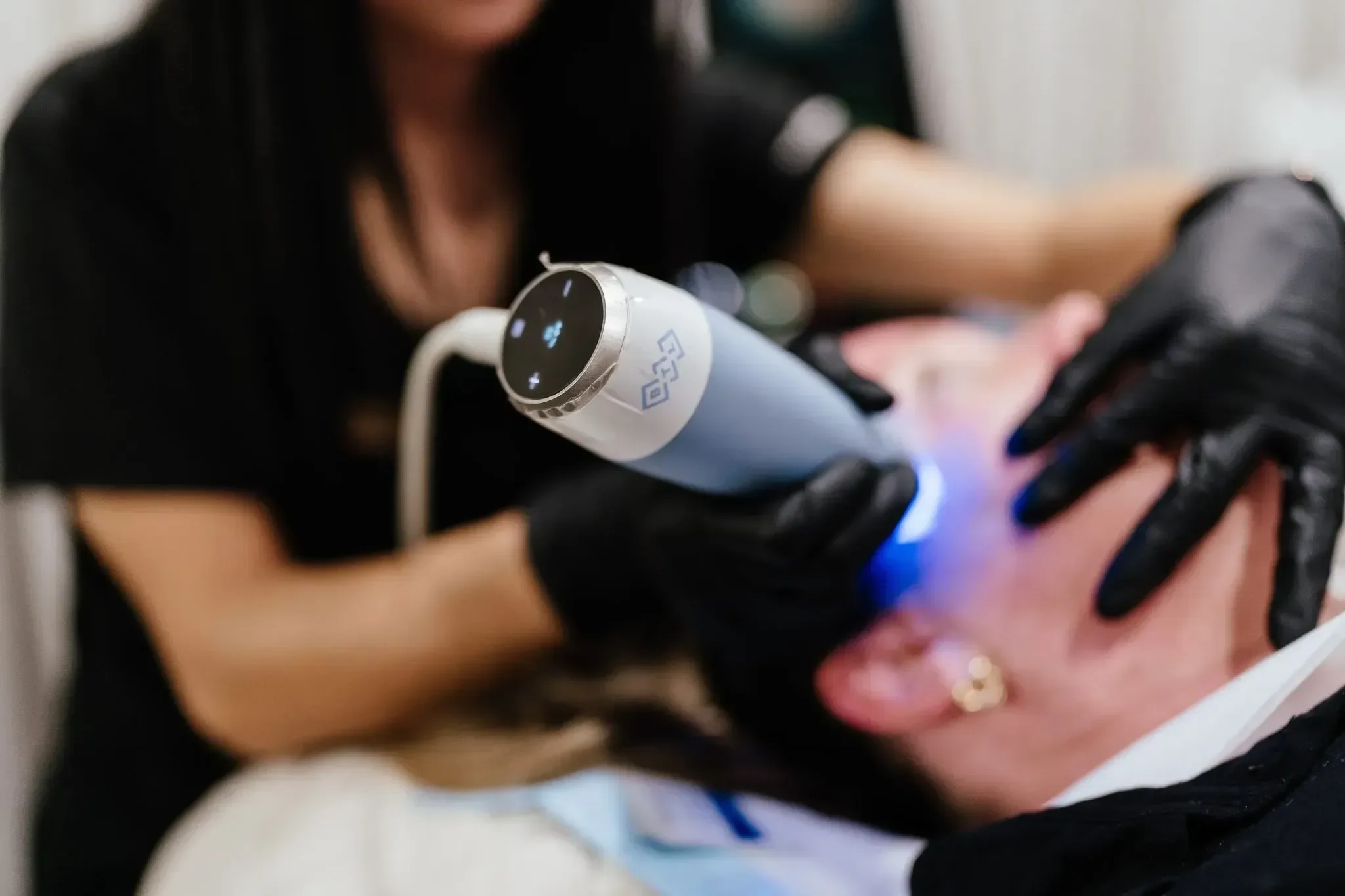
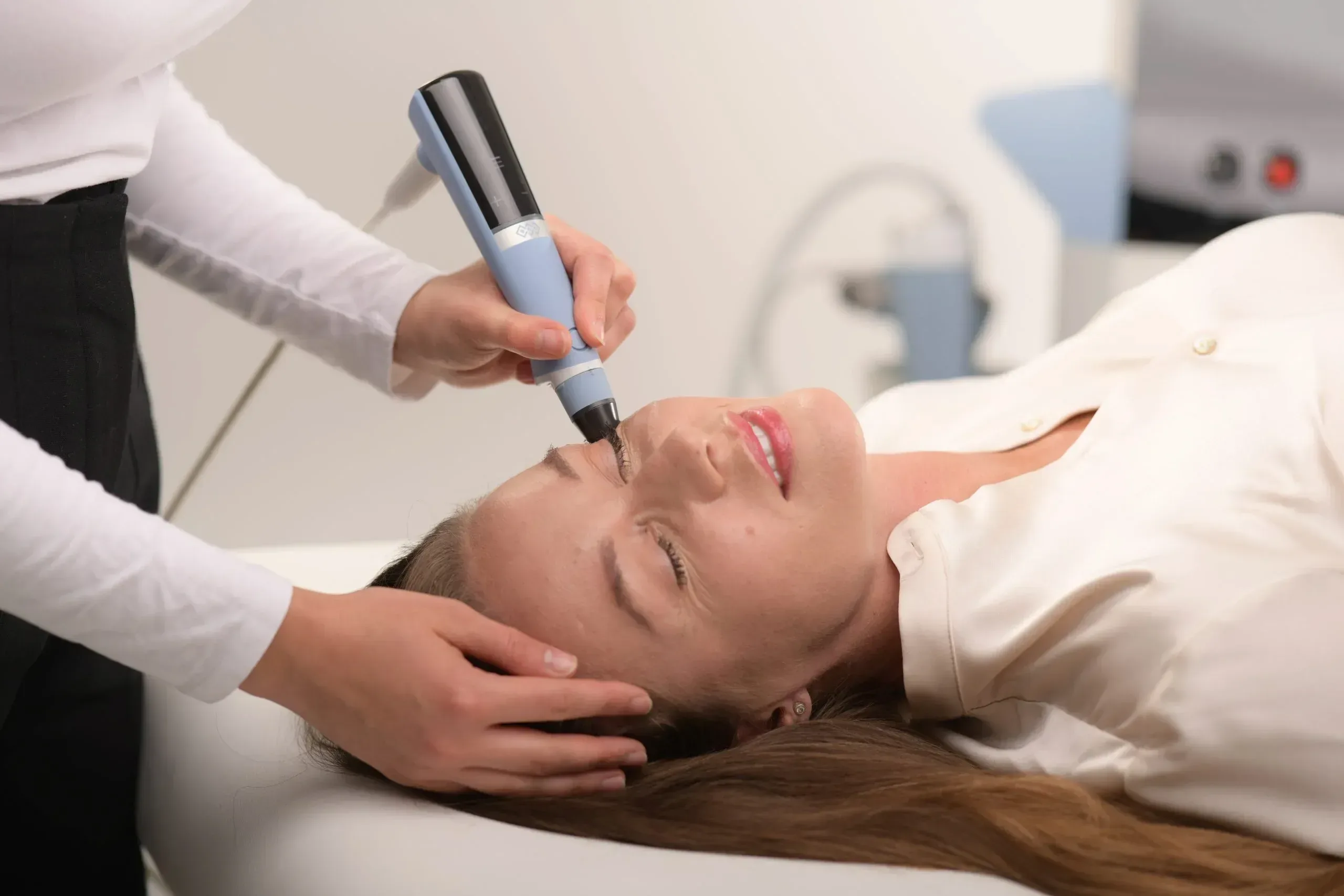
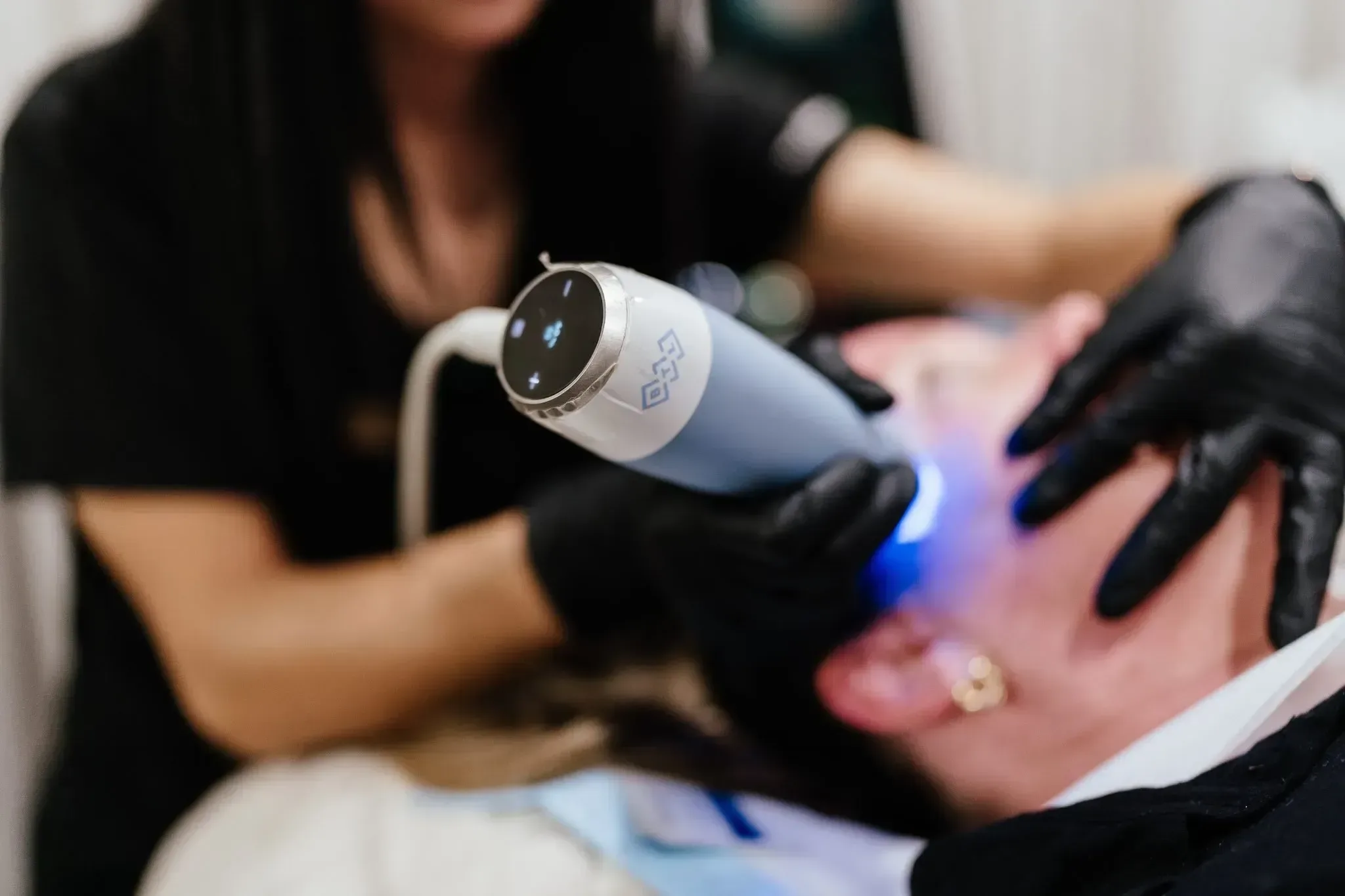
Emface for TMJ is a needle-free treatment that applies the same BTL Emface technology used for facial toning to the jaw muscles. Applicators sit over the masseter and temporalis, the muscles that close and clench the jaw, and deliver synchronized radiofrequency with HIFES electrical stimulation.
HIFES stands for high intensity facial electrical stimulation, a signal that contracts the muscle far more often than you could on your own and then allows a deep release. Paired with gentle radiofrequency warming, an overworked jaw settles into a lower resting tone. It runs on the same device as our Emface facial toning treatment, placed lower on the face.
Treatment Timeline:
- First Signs:
- 2 to 3 weeks (looser jaw)
- Full Effect:
- 6 to 8 weeks (after session four)
- Treatment Time:
- 20 minutes (per session)
- Recovery:
- None (straight back to your day)

Your Experience
What Happens During Emface for TMJ Treatment
Step by Step Process
Jaw Assessment
Dr. Applegate checks your opening range, tooth wear and which jaw muscles are tender.
Positioning
Applicators are secured over the masseter and temporalis on both sides while you sit back.
Treatment
Twenty minutes of synchronized radiofrequency warming and HIFES contractions, set to your comfort.
Review
Dr. Applegate checks how the jaw feels, then books the next of your four sessions.
What We Treat
Emface for TMJ Treatment Areas
Where the Jaw Holds Tension
Masseter Tension
Relaxes the thick cheek muscle that drives hard clenching
Temporalis Tightness
Eases the fan-shaped temple muscle behind pressure headaches
Daytime Clenching
Lowers the resting tone of jaw muscles you grip all day
Nighttime Grinding
Reduces the muscle force behind sleep bruxism and tooth wear
Morning Jaw Stiffness
Helps the jaw open more freely on waking and through breakfast
Jaw Fatigue With Chewing
Supports muscles that tire quickly during meals and long conversations
Benefits of Emface for TMJ
Relief Without Needles
Emface for TMJ vs Alternatives
How device-based jaw muscle therapy compares with the appliances, laser therapy and self-care options patients usually weigh.
| Treatment | Mechanism | Time | Results | Duration | Downtime | Best For |
|---|---|---|---|---|---|---|
| Emface for TMJ | HIFES plus RF on muscle | 20 minutes | Calmer jaw muscles | About a year | None | Muscle-driven clenching |
| Night guard or bite appliance | Physical barrier for teeth | Worn nightly | Protects tooth surfaces | Life of the guard | None | Protecting enamel from grinding |
| Laser Therapy for Pain with Emvital | 1064 nm TriHIL laser | Under 30 minutes | Less pain and stiffness | Weeks to months | None | Joint and muscle soreness |
| Physical therapy | Manual work and exercises | 30 to 60 minutes | Better range of motion | Ongoing with practice | None | Mobility and posture issues |
| Self-care and jaw rest | Soft diet, heat, stress work | Daily habit | Mild symptom easing | While maintained | None | Early or occasional flare-ups |









Is This Right for You
Who Is a Good Candidate for Emface for TMJ?
Finding Your Path to Relief
Emface for TMJ suits people whose jaw pain is driven by overworked muscle rather than structural damage inside the joint. If your symptoms track with stress, clenching or grinding, this is a strong fit. It helps to understand the wider picture of TMJ and jaw pain and how we evaluate it before your first session.
Ideal Candidates for Emface for TMJ
- Adults with daytime clenching or nighttime grinding
- Patients with tender, enlarged or overdeveloped masseter muscles
- People with temple tightness and pressure headaches tied to the jaw
- Anyone who wants relief without needles, neurotoxin or surgery
- Night guard users who still wake with a sore, tired jaw
- Patients with realistic expectations and the time to complete four sessions
Who Should Wait or Avoid Emface for TMJ
- Pregnancy or breastfeeding
- Implanted electronic devices, including pacemakers and defibrillators
- Metal implants, plates or screws in the treatment area
- Active infection, open wounds or recent surgery on the face or jaw
- Seizure disorders, or fever and acute illness on the day of treatment
Locking, catching or pain from a displaced disc points to a joint problem rather than a muscle problem, and the National Institute of Dental and Craniofacial Research recommends starting with an accurate diagnosis and conservative care. Dr. Applegate will tell you plainly if a device is not the right first step for you.
Risks and Side Effects
What to Know
Common Emface for TMJ Side Effects
Most patients feel nothing beyond mild muscle fatigue in the jaw and slight warmth or redness over the cheeks, and these typically settle within a few hours. Some people notice a temporary ache with chewing on the evening after a session, similar to the soreness that follows a new workout.
Rare Reactions
Uncommon reactions include brief tingling, a short-lived headache, or tenderness at the applicator edges. Serious events are rare with non-invasive radiofrequency and electrical muscle stimulation, and nothing is injected, cut or implanted.
Safety and Screening
The treatment is not used over pacemakers, defibrillators or metal implants in the area, and it is not used during pregnancy. Device information is published by BTL, the manufacturer of Emface. If your pain is coming from the joint rather than the muscle, we may suggest Laser Therapy for Pain with Emvital instead of or alongside this protocol.
The Applegate Difference
Why Choose Applegate MedSpa for Emface for TMJ in Covington
Covington's Nurse Practitioner Led Spa
Dr. Barry Applegate, DMD has spent three decades reading bite forces, worn enamel and jaw muscle patterns. That dental training is what makes a device aimed at the masseter a natural fit here rather than an add-on to a facial menu.
Dentist-Founded
A DMD plans your protocol, not a general aesthetic technician
Jaw First Assessment
We check wear facets, opening range and muscle tenderness
Full TMJ Toolkit
Device therapy, laser pain therapy and snoring care under one roof
Covington Roots
Serving Northern Kentucky and greater Cincinnati since 1993
Two Week Protocol
Four 20 minute sessions, usually completed in about two weeks
Beyond the Night Guard
Eases the overworked muscle itself instead of only shielding the teeth from it
Investment

Emface for TMJ Cost in Covington
Pricing and Payment Options
How Much Does Emface for TMJ Cost in Covington?
Emface for TMJ is priced per session, and the standard protocol is four sessions. Most patients complete the course over about two weeks, then return for a maintenance session roughly once a year.
| Price Type | Per Session |
|---|---|
| Single session | $500 |
| Standard protocol, 4 sessions | $500 per session |
Flexible Payment Options
We want the plan to fit your budget, not the other way around.
- Cherry Financing - monthly payment plans with a quick approval process and options for a range of credit profiles.
- Major credit cards - accepted for a single session or a full series.
- HSA and FSA - health spending account funds are accepted where your plan administrator allows the treatment, so check your plan first.
Device therapy for jaw tension is an elective service and is not billed to dental or medical insurance.
Promotional pricing available at consultation. Call to schedule a free consult.
Related Treatment
Skin Tightening with Exion
Needle free radiofrequency and ultrasound that firms and rehydrates skin.
- No Needles
- Zero Downtime
- Natural Hydration
Related Treatment
RF Microneedling with Exion
Fractional radiofrequency delivered through fine needles to firm skin, refine pores and smooth texture.
- Your Own Collagen
- Multiple Concerns
- Short Recovery
Related Treatment
Laser Therapy for Pain with Emvital
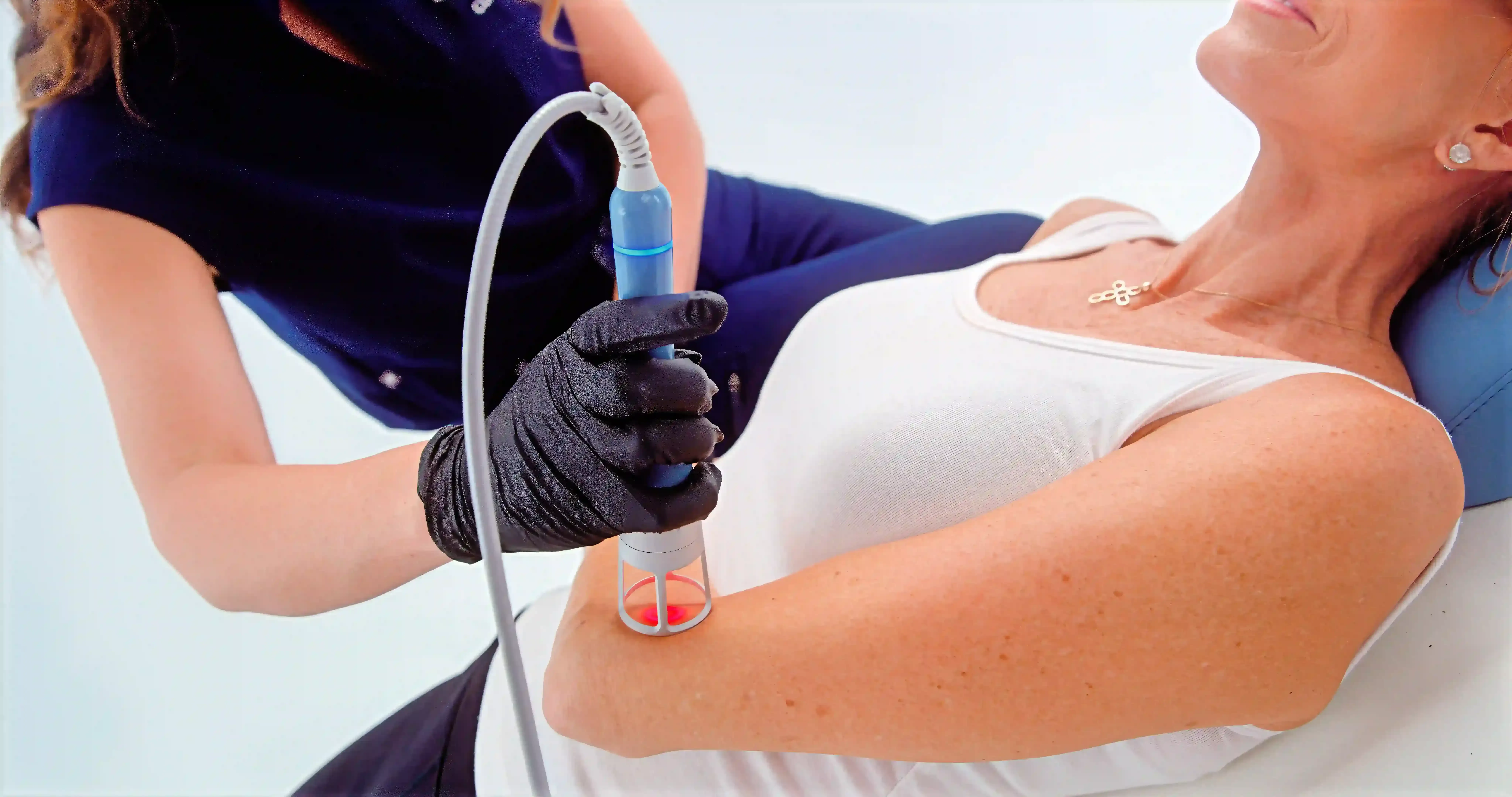
Targeted 1064 nm laser energy that eases muscle and joint pain, stiffness and spasm with no downtime.
- No Downtime
- Drug Free
- Deep Tissue Reach
Common Questions
Frequently Asked Questions About Emface for TMJ
How much does Emface for TMJ cost in Covington?
How long does Emface for TMJ last?
Does Emface for TMJ hurt?
When will I see results from Emface for TMJ?
How often do I need Emface for TMJ?
What is the difference between Emface for TMJ and a night guard?
Can men get Emface for TMJ?
Is Emface for TMJ the same as Emface for the face?
Will Emface for TMJ change my bite?
Can Emface for TMJ help with grinding at night?
Who should not have Emface for TMJ?
Schedule Today Your Emface for TMJ Consultation
References
- Halaas Y et al., Aesthet Surg J Open Forum. (2025). The simultaneous application of synchronized radiofrequency and HIFES technology improves the tone of facial muscles, as assessed by ultrasound echo intensity. PMID: 40503101.
- Kinney BM et al., Aesthet Surg J. (2023). Novel technology for facial muscle stimulation combined with synchronized radiofrequency induces structural changes in muscle tissue in a porcine histology study. PMID: 36883601.
- Manuskiatti W et al., Lasers Surg Med. (2025). The efficacy and safety of synchronized radiofrequency and high intensity facial electrical stimulation in improving facial skin laxity and quality. PMID: 39800907.
- Valesan LF et al., Clin Oral Investig. (2021). Prevalence of temporomandibular joint disorders: a systematic review and meta-analysis. PMID: 33409693.
- Tran C et al., Int J Oral Maxillofac Surg. (2022). Management of temporomandibular disorders: a rapid review of systematic reviews and guidelines. PMID: 35339331.
- National Institute of Dental and Craniofacial Research. (2024). Overview of temporomandibular disorders, symptoms and conservative first-line care.