
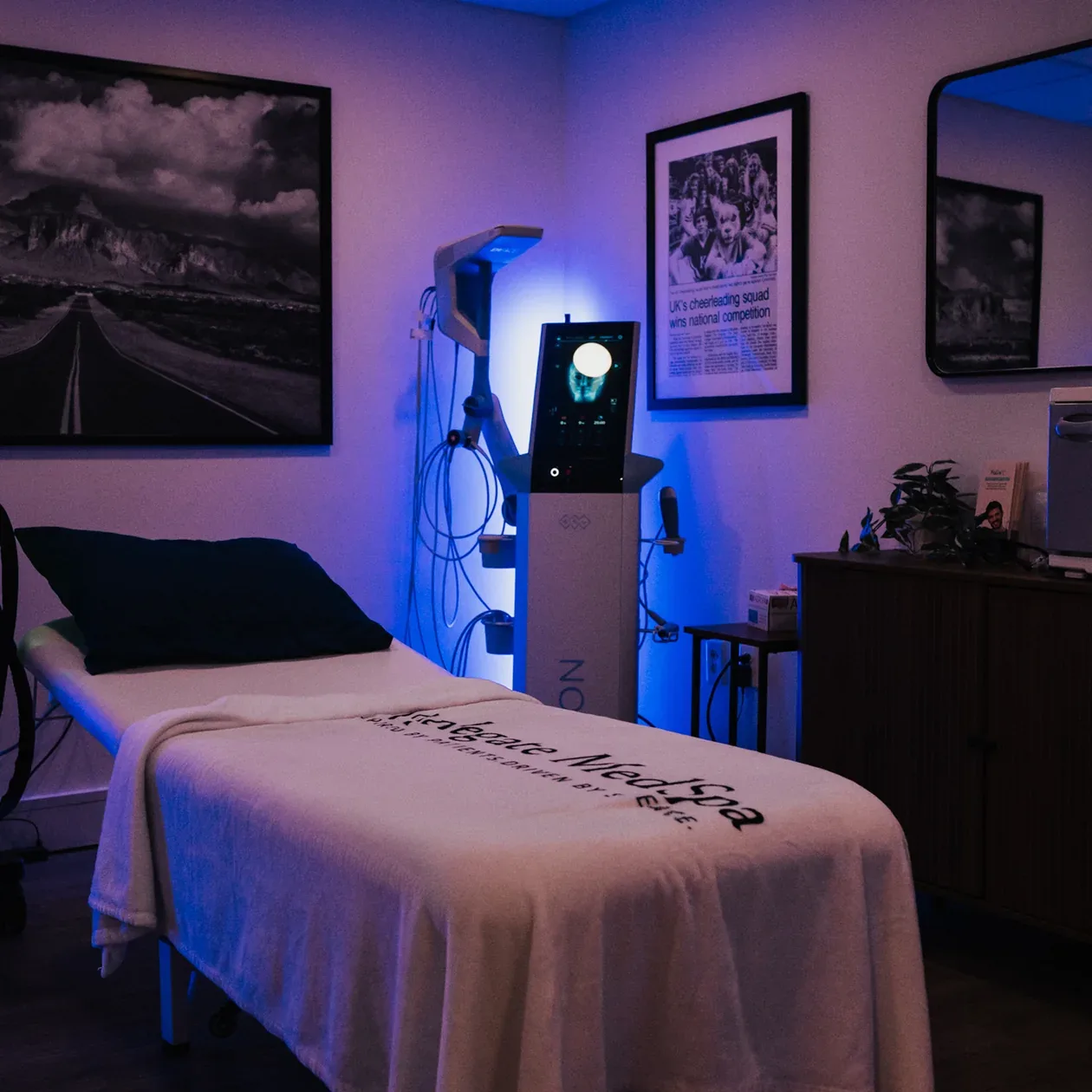
Urinary Incontinence Treatment in Covington, KY
Reclaim Control and Confidence
- Common In:
- Women over 40, and men after prostate surgery
- Primary Causes:
- Childbirth, menopause, pelvic floor weakening
- Treatment Time:
- 28 minutes, fully clothed
- Results:
- Often noticed within 2 to 4 weeks


Understanding Your Bladder
What Is Urinary Incontinence?
Recognizing the Signs
Urinary incontinence is the involuntary loss of urine, and it comes in four recognized forms. Stress incontinence leaks when pressure rises in the abdomen: a laugh, a cough, a sneeze, a lift, a run. Urge incontinence, also called overactive bladder, is the sudden need to go that arrives faster than you can answer it. Mixed incontinence is both together, and it is the most common pattern in women over 40. Overflow incontinence is a steady dribble from a bladder that never fully empties.
When you cross your legs before you sneeze, or step out of a group fitness class at the first jumping exercise, you are already managing this condition. Most people start small: one pad, one spare pair of underwear in the bag, one bathroom you always check for on the way in.
Then it quietly rearranges your life. You map the bathrooms at the grocery store and at church. You say no to the trampoline with your grandchildren. You skip the class you used to love. You wear pads for years and call it normal. Roughly one in three women over 40 lives with some degree of bladder leakage, and most never mention it to anyone, including their doctor. It is genuinely common. It is also treatable, and it is not something you have to accept. If you are still working out what is happening, our conditions we treat in Covington, KY library is a good place to start.
Why Urinary Incontinence Happens
Understanding the Root Causes
01The Science
Continence depends on a hammock of muscle and connective tissue slung between your pubic bone and tailbone. That pelvic floor holds the bladder and urethra in position and reflexively tightens a fraction of a second before you cough or lift. When those muscles weaken, stretch or lose their fast reflex, the urethra is no longer braced against the pressure spike and a small volume escapes. The National Institute of Diabetes and Digestive and Kidney Diseases describes bladder control problems as a common medical condition rather than an inevitable part of growing older.
Pregnancy loads the pelvic floor for months, and a vaginal delivery can stretch or injure the pudendal nerve supply that keeps those muscles responsive. Damage done in one afternoon can stay quiet for 20 years, then surface in your forties or fifties when a second factor arrives.
That second factor is usually estrogen. Falling estrogen through perimenopause and menopause thins the urethral lining, reduces the vascular cushion that helps seal it, and weakens supporting collagen. Age adds muscle fiber loss on top. Because the problem is muscular and neuromuscular rather than structural in most cases, retraining the muscle works. That is the principle behind the Emsella chair in Covington, KY, which triggers thousands of supramaximal pelvic floor contractions in a single 28 minute session.
02Deeper Understanding
Your Type Changes the Answer
Stress, Urge, Mixed and Overflow
The type of incontinence you have decides which treatment is worth your time. Stress incontinence is a support and reflex problem, so strengthening the pelvic floor targets the cause directly. Urge incontinence is a bladder muscle signalling problem, and while a stronger pelvic floor helps you suppress the urge long enough to reach a bathroom, some people also need bladder retraining or medication from their physician. Mixed incontinence responds to pelvic floor work because the stress component usually dominates.
Overflow incontinence is the exception. A bladder that will not empty needs a urologic assessment first, because the cause may be an obstruction or a nerve problem that muscle training will not address. High intensity focused electromagnetic therapy, the technology inside Emsella, has been studied specifically in women with urinary incontinence: a systematic review and meta-analysis in Neurourology and Urodynamics reported meaningful reductions in leakage episodes and symptom scores. Emsella works best for stress and mixed incontinence linked to pelvic floor weakness, and we will tell you plainly if your pattern suggests otherwise.
There is a clear line where a med spa is the wrong first stop. Sudden onset leaking, blood in your urine, pain or burning on urination, fever, or incontinence arriving alongside new numbness, weakness or back pain needs medical evaluation by a physician before any aesthetic or wellness treatment. Those signs can point to infection, stones, or a neurological cause. Get those ruled out first. Everything else in our wellness treatments in Northern Kentucky is still waiting for you afterwards.
Contributing Factors
What Weakens Bladder Control?
Identifying Your Triggers
Several factors stack up over the years, and most patients in Covington, Fort Mitchell and Florence recognize three or four of them. Deep core strength sits underneath all of them, which is why functional wellness training for core strength often runs alongside pelvic floor work.
Pregnancy and Vaginal Delivery
Months of downward load plus stretching of the pelvic floor and its nerve supply during delivery, often with symptoms appearing decades later.
Menopause and Falling Estrogen
Declining estrogen thins the urethral lining and weakens supporting collagen, which is why leaking often starts or worsens in the forties and fifties.
Natural Ageing of the Muscle
Pelvic floor muscle fibers lose bulk and speed with age, so the reflex brace that should fire before a cough arrives late or weakly.
Chronic Coughing and Constipation
A smoker's cough, untreated allergies or years of straining on the toilet apply repeated pressure spikes that gradually fatigue the pelvic floor.
Excess Weight and High Impact Exercise
Extra abdominal weight raises the baseline load on the pelvic floor, and running, jumping or heavy lifting adds sharp repeated pressure on top.
Prostate Surgery in Men
Removal of the prostate can disturb the sphincter and its support, leaving men with stress leakage that responds to the same pelvic floor retraining.

Why Applegate
Why Choose Applegate MedSpa for Urinary Incontinence Care in Covington, KY
This is a conversation most people have been putting off for years, so we make it an easy one to have. Elizabeth Taylor, APRN leads pelvic floor care at our Covington practice, bringing a background in acute care medicine and private, one-on-one consultations to a subject patients often arrive apologizing for.
- Honest Assessment First
- We identify which type of incontinence you have and say plainly when a urologist or your physician should see you first.
- Fully Clothed and Private
- Emsella sessions are done seated and fully dressed in a private room, with no undressing, no catheter and no internal exam.
- A Complete BTL Suite
- Emsella sits alongside Emsculpt Neo and Emvital here, so pelvic floor, core strength and recovery can be planned together.
- Realistic Expectations
- Most patients improve over a series of eight sessions. We tell you what typical looks like rather than promising a cure.
- Flat Session Pricing
- Emsella is $200 per session, the same for every patient, so an eight session series is a known number before you begin.
- Nurse Practitioner Led
- Elizabeth Taylor, APRN plans and supervises every Emsella series, and the first conversation is with her, not a front desk.
Comparing Your Options for Bladder Leakage
Pelvic floor therapy with the Emsella chair is the treatment we provide for incontinence in Covington, KY. The table below shows what it involves, and the section under it sets it beside the other routes people commonly try.
| Approach | Best For | Session Time | Results Timeline | Maintenance |
|---|---|---|---|---|
| Pelvic Floor Therapy with Emsella | Stress and mixed incontinence | 28 minutes, clothed | Often 2 to 4 weeks | 8 sessions, then as needed |
Other Approaches People Try
These are not offered at Applegate MedSpa. They are here so you can weigh your options honestly.
| Approach | Best For | Session Time | Results Timeline | Maintenance |
|---|---|---|---|---|
| Kegel Exercises at Home | Mild leaking and daily upkeep | 5 to 10 minutes daily | 3 to 6 months | Ongoing, every day |
| Pelvic Floor Physical Therapy | Coordination and technique | 45 to 60 minutes | 2 to 6 months | Weekly visits for months |
| Absorbent Pads and Underwear | Managing leaks, not treating | Not applicable | Immediate coverage only | Purchased continually |
| Surgical Sling or Repair | Severe or unresponsive cases | Operating room procedure | After surgical recovery | Usually a single procedure |
You May Be Living With Urinary Incontinence If...
If two or three of these sound like your week, you have a treatable condition rather than a personal failing. Most patients are relieved to find out that pelvic floor therapy without surgery is a realistic first step.
Leaking When You Laugh
A good laugh, a cough, a sneeze or picking up a grandchild produces a small leak you feel before you can stop it.
Urgency You Cannot Outrun
The need arrives suddenly and completely, and the distance between the front door and the bathroom has become a calculation.
Mapping the Bathrooms
You know where every restroom is at the grocery store, at church and on the drive to Cincinnati, and you plan around them.
Pads You Never Discuss
You have worn a liner or pad daily for months or years, replaced it quietly, and started calling it normal.
Activities You Quietly Dropped
The trampoline, the fitness class, the long walk in Devou Park or the road trip without a bathroom stop are no longer on your list.
Waking to Go at Night
You get up once, twice or more every night, and the broken sleep is costing you as much as the leaking itself.


Related Treatment
Pelvic Floor Therapy with Emsella
Sit fully clothed while thousands of contractions rebuild your pelvic floor.
- Stay Fully Clothed
- Thousands of Kegels
- Reaches Deep Muscle
Related Treatment
Functional Wellness with Emsculpt Neo
A supervised muscle strengthening protocol that rebuilds core stability without a gym, weights or downtime.
- No Gym Required
- Measurable Progress
- Joint Friendly
Related Treatment
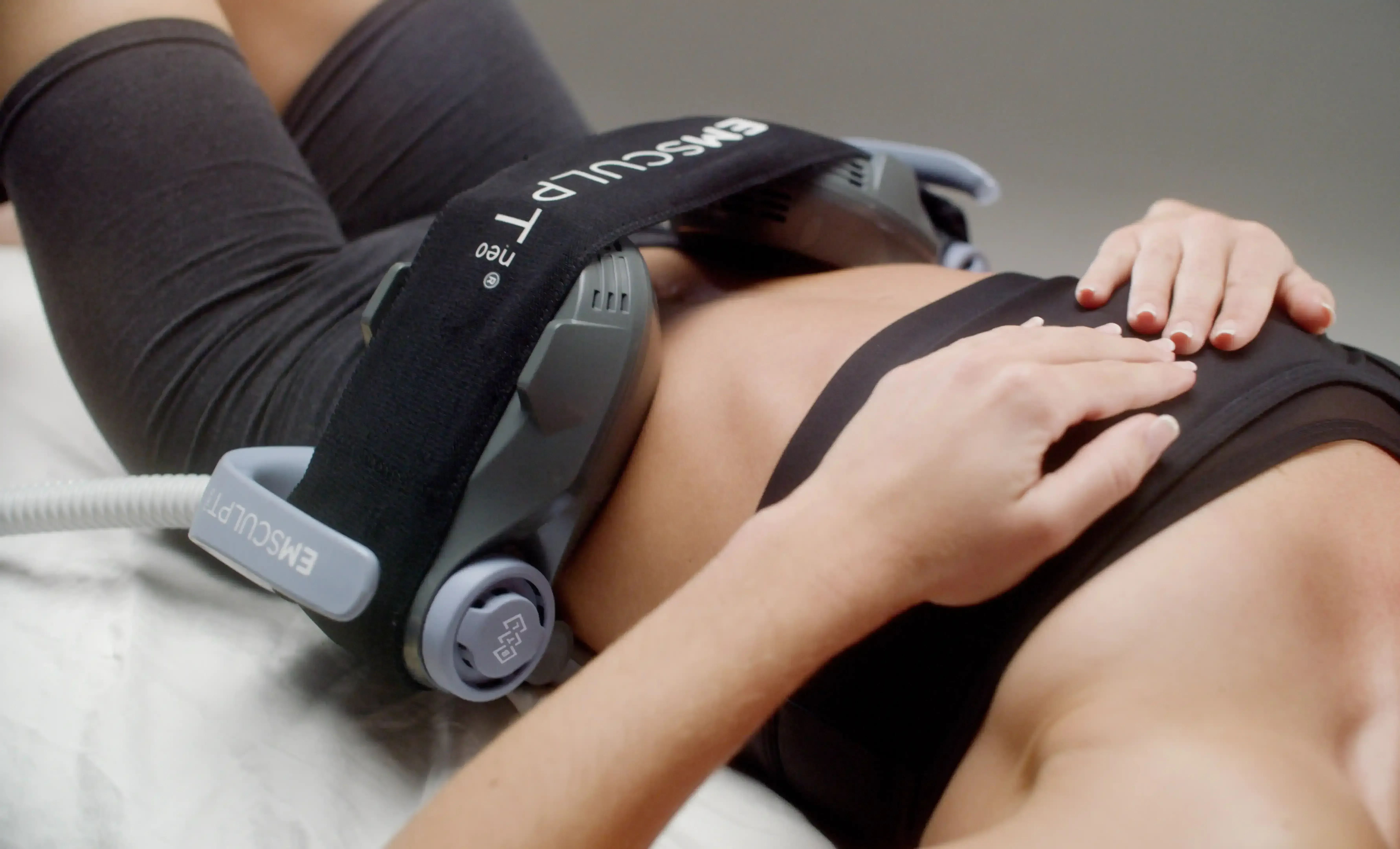
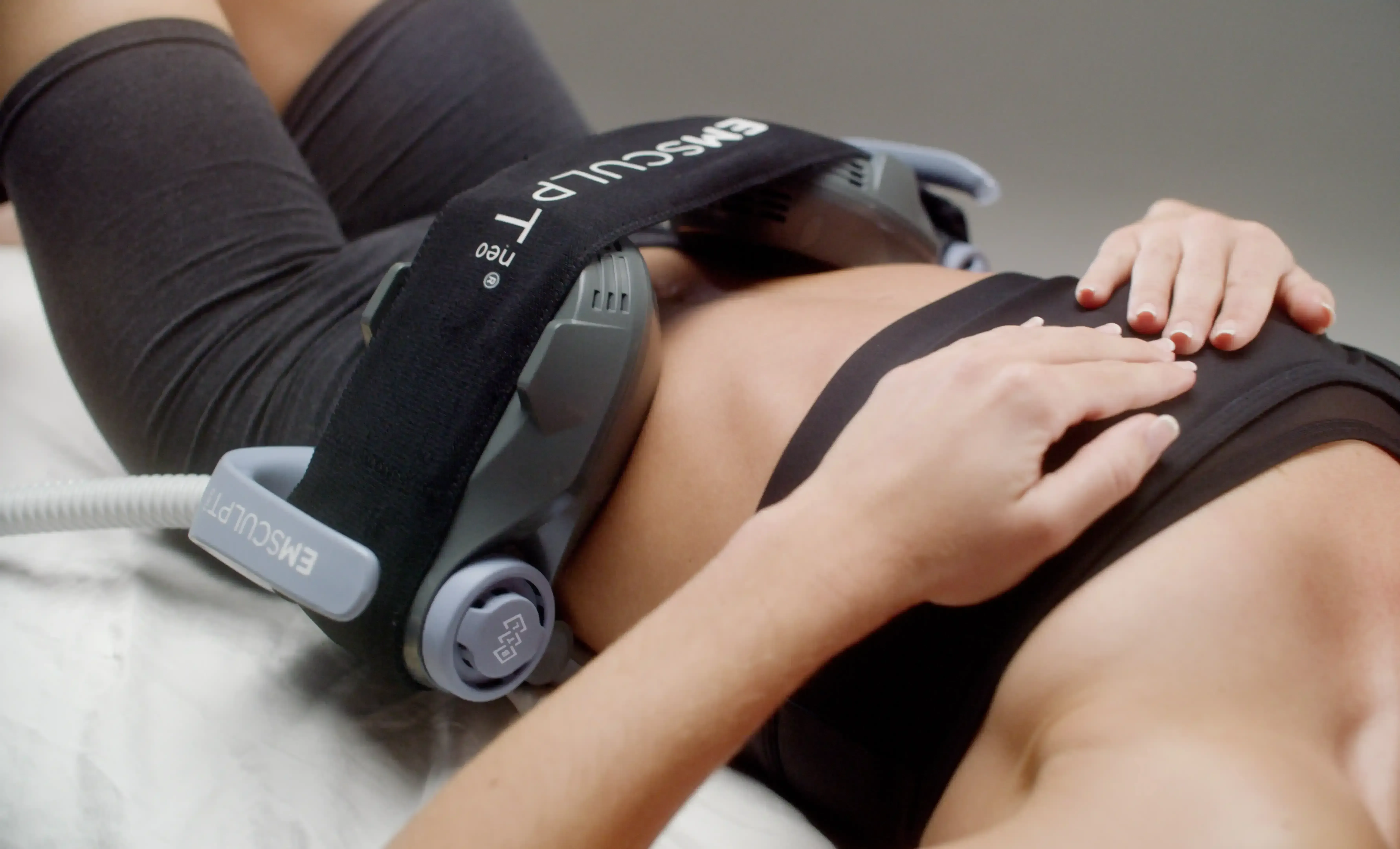
Emsculpt Neo
Radiofrequency and muscle stimulation in one 30 minute session, with no surgery and no downtime.
- Fat and Muscle at Once
- No Surgery or Needles
- Zero Downtime
Related Treatment
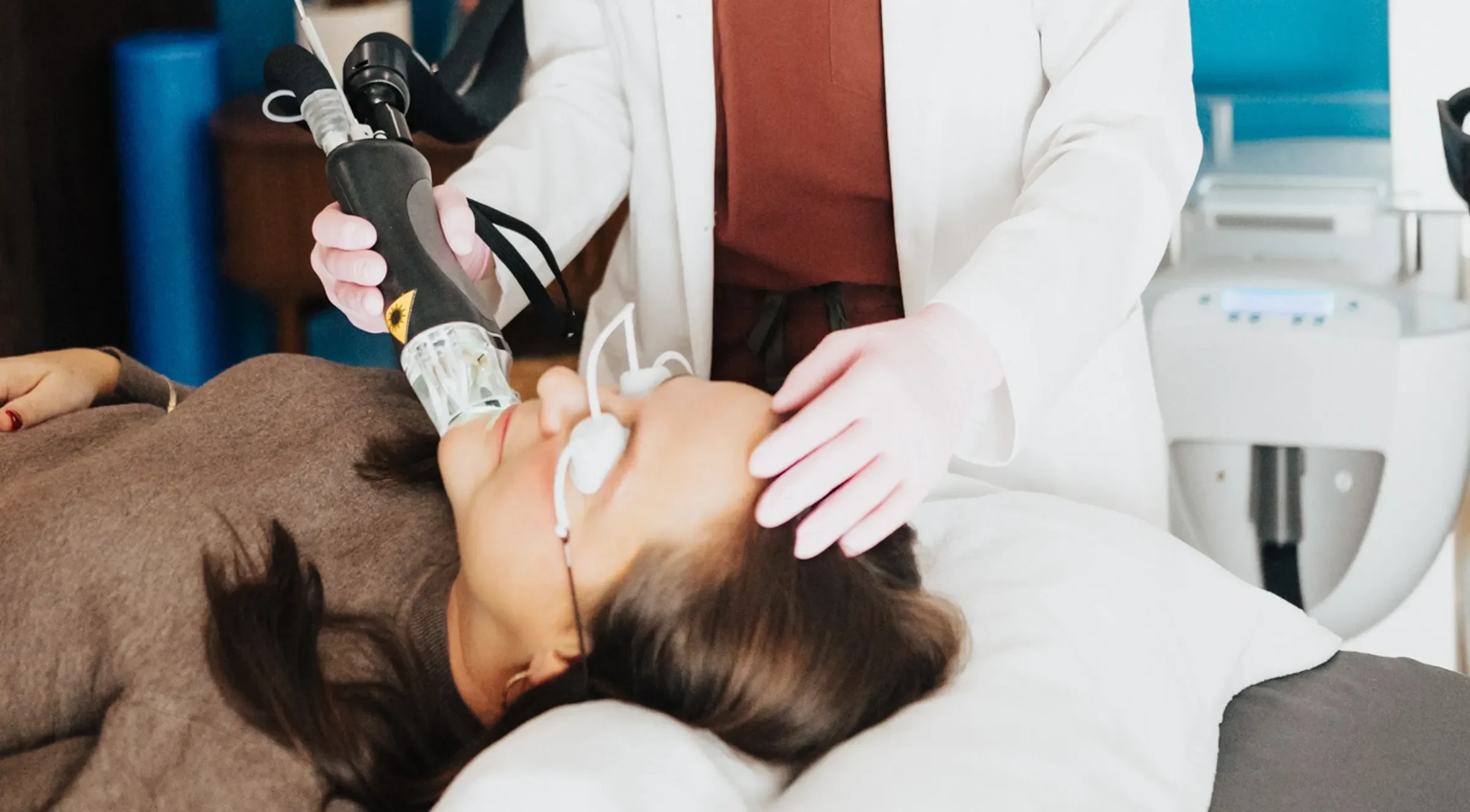
Laser Hair Removal with Splendor X
Two laser wavelengths in a single pulse for smoother skin and lasting hair reduction on every skin tone.
- All Skin Tones
- Lasting Reduction
- Fewer Ingrowns

Your Questions
Frequently Asked Questions
Is urinary incontinence just a normal part of getting older?
What is the difference between stress incontinence and urge incontinence?
Do I have to undress for pelvic floor therapy with Emsella?
How many sessions do I need and when will I notice a change?
Do Kegel exercises still matter if I have treatment?
When should I see a physician before a med spa?
Can men be treated for incontinence too?
What does treatment cost in Covington, KY?
Schedule Today Your Urinary Incontinence Consultation
Scientific References
- Leonardo K et al., Neurourology and Urodynamics. (2025). Systematic review and meta-analysis of noninvasive high-intensity focused electromagnetic therapy in women with urinary incontinence. PMID: 39760417.
- Jongjakapan A et al., International Urogynecology Journal. (2026). Effectiveness of high-intensity focused electromagnetic (HIFEM) therapy in women with urinary incontinence. PMID: 41051574.
- Long CY et al., Biomedicines. (2024). Effect of high-intensity focused electromagnetic technology in the treatment of female stress urinary incontinence. PMID: 39767789.
- Sacarin G et al., Journal of Clinical Medicine. (2025). Systematic review of chair-based magnetic pelvic floor stimulation and female sexual function in women with urinary incontinence. PMID: 41375799.
- Dumoulin C et al., Cochrane Database of Systematic Reviews. (2018). Pelvic floor muscle training versus no treatment, or inactive control treatments, for urinary incontinence in women. PMID: 30288727.
- National Institute of Diabetes and Digestive and Kidney Diseases. (2021). Patient guidance on the definition, types and management of bladder control problems.