
Muscle and Joint Pain Treatment in Covington, KY
Move With Less Pain and Stiffness
- Common In:
- Adults 35 and older
- Primary Causes:
- Overuse, injury, arthritis, posture
- Treatment Time:
- Under 30 minutes
- Results:
- Often within 2-4 sessions


Understanding Your Pain
What Is Muscle and Joint Pain?
Recognizing the Signs
Muscle and joint pain is discomfort that originates either in soft tissue, meaning muscle, tendon and fascia, or in the joint structures themselves, meaning cartilage, ligaments and the joint capsule. Patients across Covington, KY, Kenton County and the wider Northern Kentucky and Cincinnati, OH area come to us for joint pain treatment after months of working around a sore knee, a tight lower back or a shoulder that no longer moves freely.
The two types feel different. Muscle pain tends to be diffuse and achy, worse after activity, and it often responds to movement and warmth. Joint pain tends to be sharper and more localized, worse first thing in the morning or after sitting still, and it frequently comes with swelling, grinding or a feeling that the joint is catching.
Timing matters just as much as location. Acute pain follows a recent strain, overuse episode or injury and usually settles as the tissue heals. Chronic pain lingers beyond the point where healing should be complete, and it brings stiffness, guarding and a smaller range of motion with it. Patients in Taylor Mill and Independence often describe the shift the same way: they stopped noticing a single painful moment and started noticing that they had quietly given things up.
Why Muscle and Joint Pain Happens
Understanding the Root Causes
01The Science
Healthy joints glide on a smooth layer of cartilage a few millimeters thick, cushioned by synovial fluid. That surface wears gradually with age and load, and once it thins, bone surfaces sit closer together and the surrounding tissue becomes irritated. The National Institute of Arthritis and Musculoskeletal and Skin Diseases identifies osteoarthritis as the most common joint disorder in adults, and it becomes considerably more common after age 50.
Muscle pain usually starts somewhere else in the chain. When one joint hurts, the muscles around it tighten to protect it. That protective guarding limits movement, which reduces circulation to the area, which leaves the tissue stiffer and more sensitive the next day. Over weeks this becomes a loop: the joint hurts, the muscle splints, the splinting makes the joint move badly, and the pain settles in.
Inflammation is the common thread. Irritated tissue releases inflammatory mediators that sensitize local nerve endings, so the same amount of load starts to register as more pain than it used to. This is where Emvital laser therapy for pain is aimed. The 1064 nm TriHIL laser delivers light energy into deeper muscle and joint tissue to support local circulation and cellular energy production, with the goal of calming that inflammatory loop rather than simply masking the sensation.
02Deeper Understanding
Acute Pain Versus Chronic Pain
How Persistent Pain Changes Movement
Acute pain has a clear start. You lifted something awkwardly, you spent a weekend on a ladder, you rolled an ankle. The tissue is genuinely injured, the pain is doing its job, and in most cases it improves over days to a few weeks with relative rest and a gradual return to normal loading. Chronic pain is different. It persists past the expected healing window, often without a single identifiable trigger, and it tends to arrive with morning stiffness, a guarded posture and a range of motion that has quietly shrunk.
Conservative care is still the foundation for both. Physical therapy rebuilds capacity, oral anti-inflammatories reduce short-term flare intensity, corticosteroid injections can interrupt a severe episode, and rest with activity modification gives irritated tissue room to settle. Laser therapy is not a replacement for any of those. It is used alongside them, and a 2022 systematic review in Clinical Rehabilitation found laser therapy reduced pain and disability in chronic low back pain compared with placebo, while other trials in non-specific low back pain have reported no benefit, which is a fair reflection of how variable the evidence is. Both are summarized in the peer-reviewed literature on PubMed.
Chronic pain also costs you muscle. Months of guarding an area leads to measurable strength loss in the muscles that support the painful joint, and that weakness makes the next flare more likely. For patients whose main limitation is loss of strength rather than pain itself, rebuilding supporting muscle with Functional Wellness addresses the deconditioning side of the problem while laser therapy addresses the discomfort.
Contributing Factors
What Accelerates Muscle and Joint Pain?
Identifying Your Triggers
Several factors usually stack together rather than acting alone, and jaw and facial muscle pain often travels with them, which is why patients frequently read this page alongside our page on TMJ and jaw pain.
Age-Related Joint Wear
Cartilage thins and synovial fluid becomes less effective over time, so the same daily loading produces more irritation than it did a decade ago.
Repetitive Strain
Work and hobbies that repeat the same movement pattern load one tendon or joint surface far more than the rest, which is how overuse pain builds quietly.
Old Injuries
A sprain or tear that healed with scar tissue or altered mechanics changes how load travels through the limb and often produces pain years later.
Posture and Desk Work
Long seated hours shorten hip flexors and chest muscles while lengthening and weakening the back, which loads the neck, shoulders and lower back unevenly.
Muscle Loss and Weight
Declining muscle mass removes shock absorption from the knees and hips, and extra body weight multiplies the force those joints absorb with every step.
Clenching and Grinding
Nighttime clenching keeps the masseter and jaw muscles contracted for hours, producing morning soreness, headaches and neck tension on waking.

Why Applegate
Why Choose Applegate MedSpa for Muscle and Joint Pain Care in Covington, KY
Dr. Barry Applegate, DMD has practiced in Covington and greater Cincinnati since 1993 and founded Applegate Dentistry & MedSpa in July 2024 to bring clinical technology into wellness care. A dentist-founded practice thinks about muscles, joints and the way the jaw, neck and shoulders work together, which shapes how we assess pain across our wellness treatments.
- Honest Assessment First
- We tell you plainly when your pain needs a physician or imaging rather than a laser, and we will say so before taking a booking.
- Jaw and Musculoskeletal Insight
- Training in jaw and facial anatomy informs how we evaluate clenching, masseter tension and the neck and shoulder pain that travels with it.
- Focused Laser Technology
- The BTL Emvital 1064 nm TriHIL laser is used on the neck, shoulders, lower back, knees, hips, elbows and jaw in sessions under 30 minutes.
- Care That Fits Your Week
- No downtime and no recovery period means sessions slot around work, and Cherry Financing spreads the cost of a full series.
- Nurse Practitioner Led
- Elizabeth Taylor, APRN, a board-certified nurse practitioner with a background in acute care medicine, plans every laser series.
- Strength Work Under One Roof
- When the pain eases, Functional Wellness with Emsculpt Neo is in the same building to rebuild the muscle that was guarding the joint.
Treatment Options Comparison
Compare the treatments we offer for muscle and joint pain so you can see which one matches where your discomfort actually sits.
| Treatment | Best For | Session Time | Results Timeline | Maintenance |
|---|---|---|---|---|
| Laser Therapy for Pain with Emvital | Muscle and joint pain, stiffness | Under 30 minutes | Often by 2-4 sessions | Occasional touch-up series |
| Functional Wellness with Emsculpt Neo | Rebuilding supporting muscle | About 30 minutes | 6-8 weeks | Periodic maintenance sessions |
| Emface for TMJ | Jaw and masseter muscle tension | About 20 minutes | 4-6 weeks | Twice yearly if needed |
You May Be Experiencing Muscle and Joint Pain If...
Recognizing these patterns helps you decide whether conservative care and targeted laser therapy for stiffness is a reasonable next step, or whether you need a medical evaluation first.
Some symptoms are not aesthetic or wellness concerns at all and need a physician, not an appointment with us. Please get evaluated before booking if your pain is undiagnosed, if it started after a fall or an injury, if a joint is hot and swollen, if you have a fever alongside joint pain, if you have unexplained weight loss, or if the pain comes with numbness, weakness, or any loss of bladder or bowel control. Those signs can point to infection, fracture, inflammatory disease or nerve compression, and they deserve a proper diagnosis first.
Morning Stiffness
You need several minutes of moving around before a knee, hip or lower back feels usable, and long car rides leave you stiff all over again.
Pain After Activity
Yard work, a long walk or a day of lifting leaves you sore for a day or two rather than a few hours, and the recovery window keeps getting longer.
Shrinking Range of Motion
Reaching overhead, turning your head to back out of a driveway or kneeling on the floor has become harder than it used to be.
Guarding and Avoidance
You have started favoring one side, skipping stairs or quietly avoiding activities you used to enjoy because you expect them to hurt.
Aching That Disturbs Sleep
A shoulder, hip or knee wakes you when you roll onto it, and you find yourself building your sleeping position around the painful side.
Jaw and Neck Tension
You wake with a tight jaw, sore masseter muscles or a stiff neck, often alongside clenching or grinding you may not be aware of.
Related Treatment
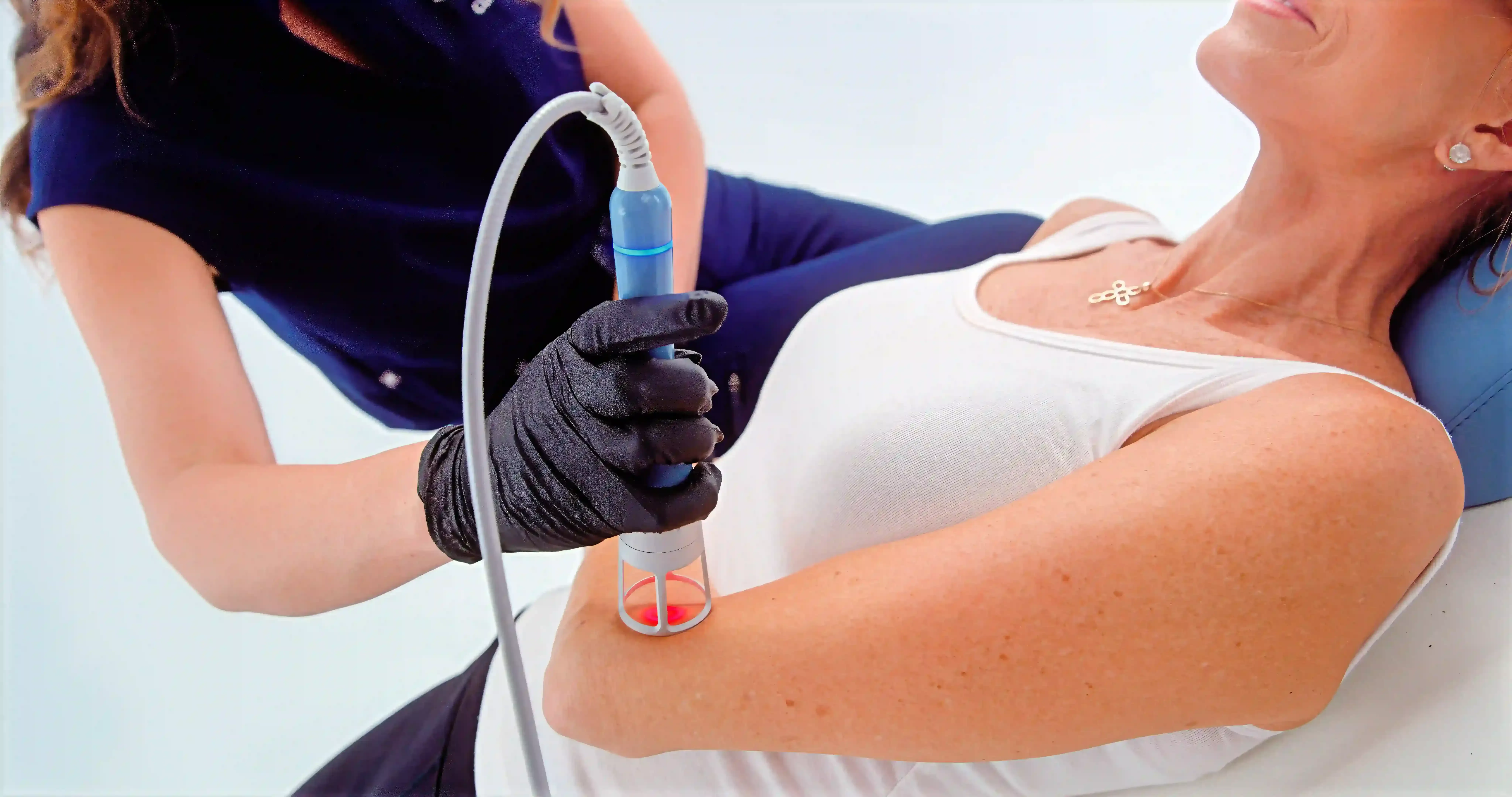
Laser Therapy for Pain with Emvital
Targeted 1064 nm laser energy that eases muscle and joint pain, stiffness and spasm with no downtime.
- No Downtime
- Drug Free
- Deep Tissue Reach
Related Treatment
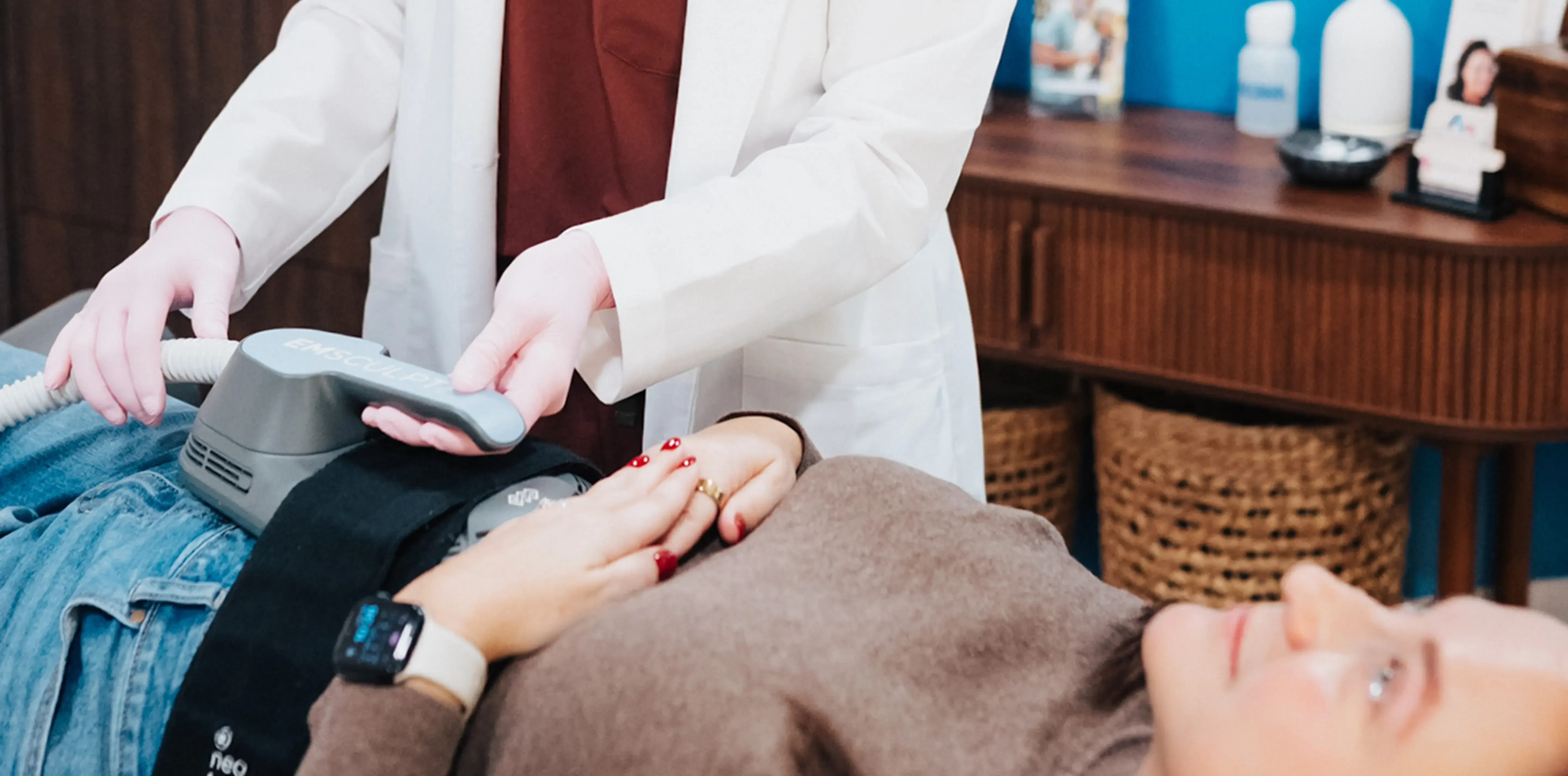
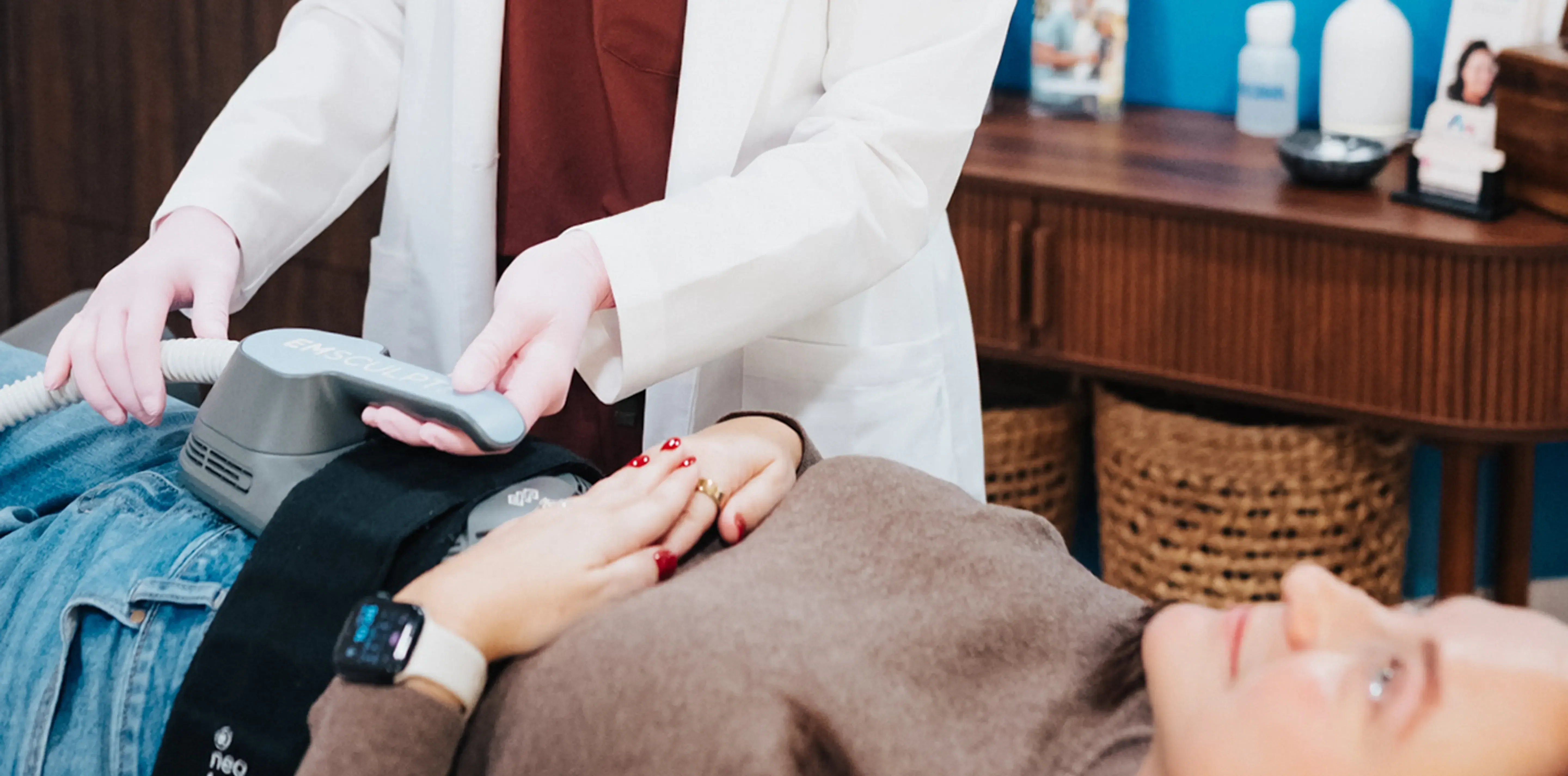
Functional Wellness with Emsculpt Neo
A supervised muscle strengthening protocol that rebuilds core stability without a gym, weights or downtime.
- No Gym Required
- Measurable Progress
- Joint Friendly
Related Treatment
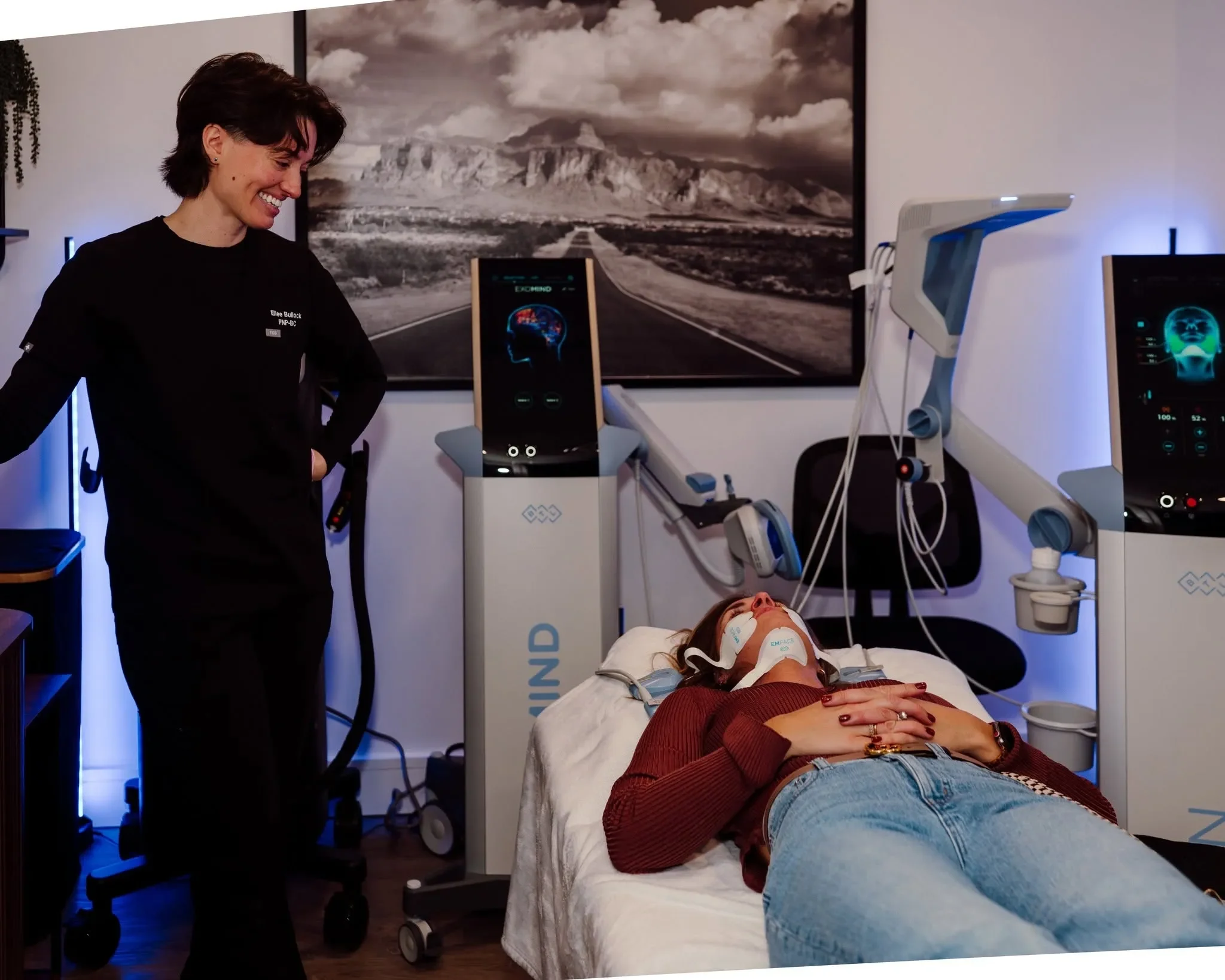
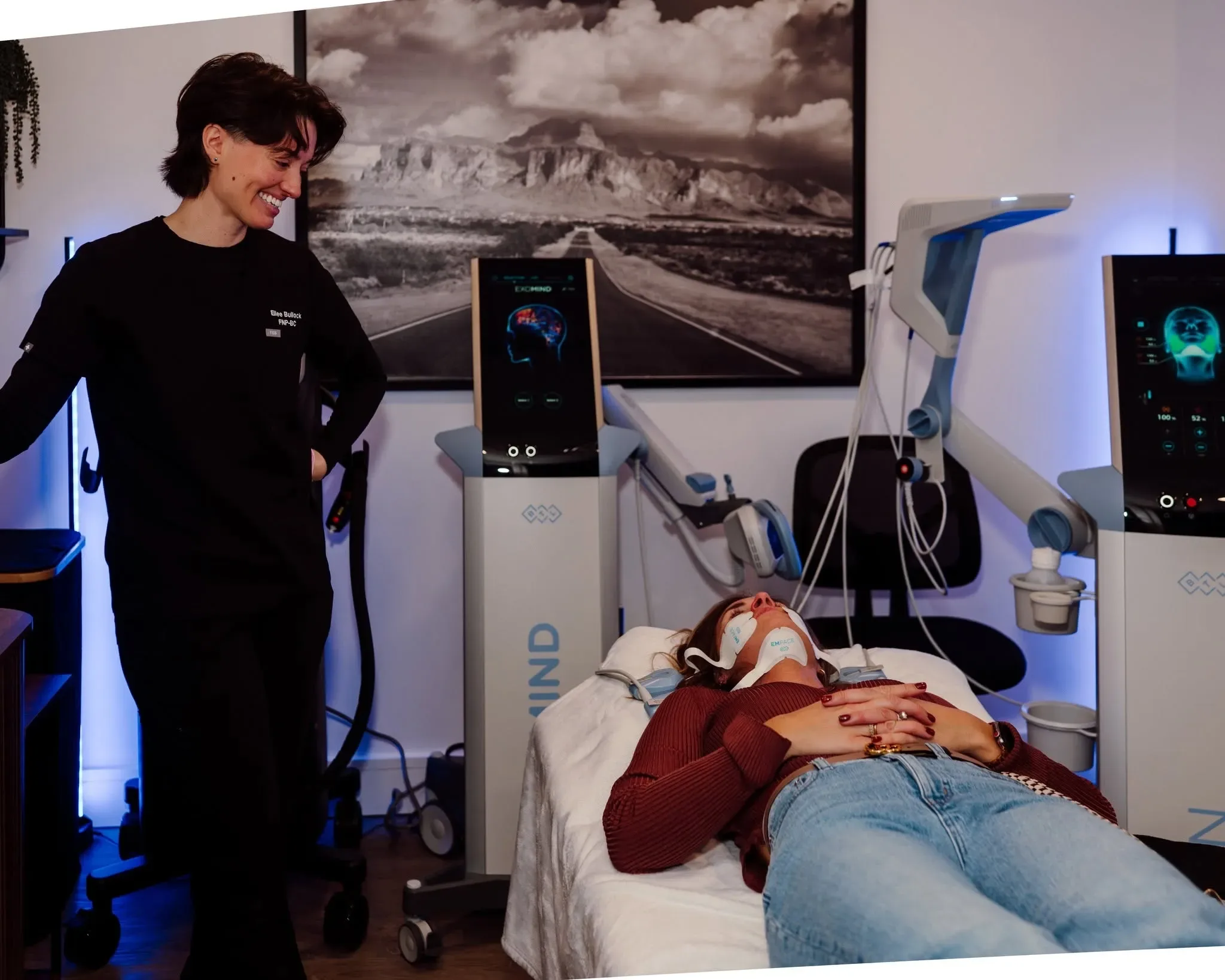
Emface for TMJ
Needle-free jaw muscle therapy that eases clenching, grinding and TMJ tension.
- No Injections
- No Downtime
- Bite Stays Untouched
Related Treatment
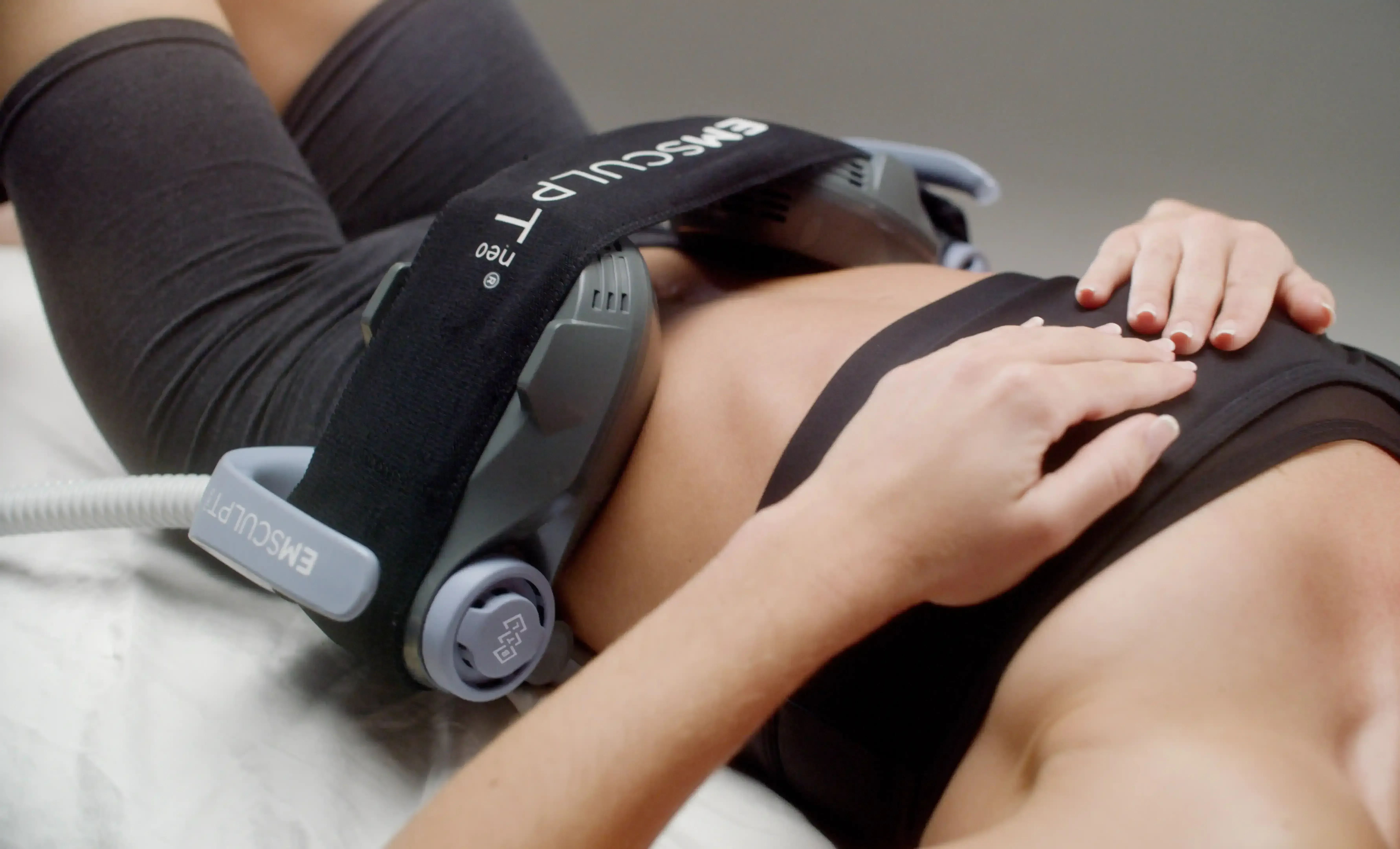
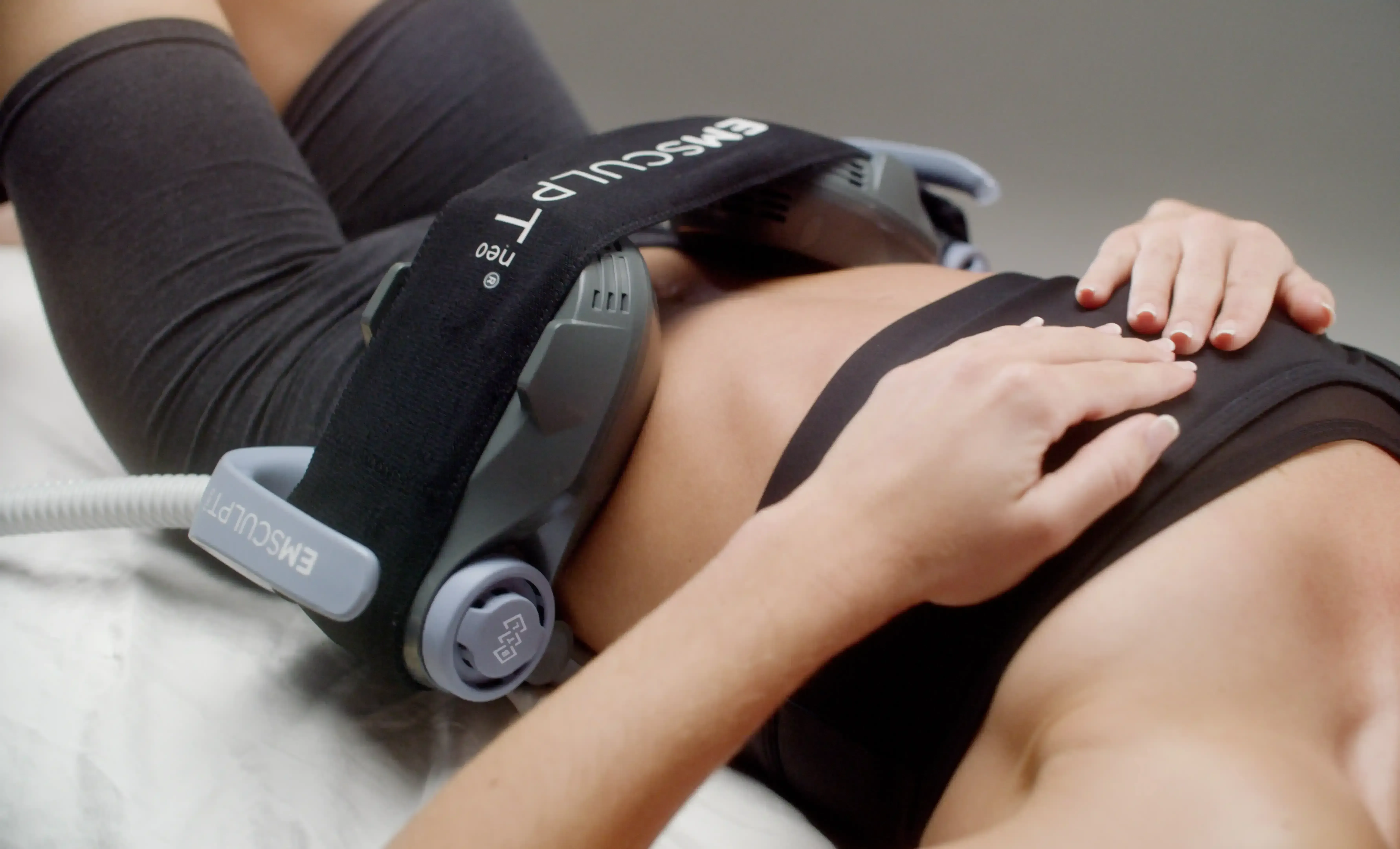
Emsculpt Neo
Radiofrequency and muscle stimulation in one 30 minute session, with no surgery and no downtime.
- Fat and Muscle at Once
- No Surgery or Needles
- Zero Downtime
Your Questions
Frequently Asked Questions
What is the difference between muscle pain and joint pain?
Can laser therapy cure my arthritis?
Which areas can the Emvital laser treat?
When should I see a doctor instead of booking laser therapy?
How many sessions will I need and what does it cost?
Does the treatment hurt and is there any downtime?
Can I combine laser therapy with physical therapy or my current medications?
Schedule Today Your Muscle & Joint Pain Consultation
Scientific References
- Stausholm MB et al., BMJ Open. (2019). Systematic review and meta-analysis of the efficacy of low-level laser therapy on pain and disability in knee osteoarthritis. PMID: 31662383.
- Chow RT et al., Lancet. (2009). Systematic review and meta-analysis of randomized controlled trials on the efficacy of low-level laser therapy in the management of neck pain. PMID: 19913903.
- Chen YJ et al., Clin Rehabil. (2022). Systematic review and meta-analysis of randomized controlled trials on the effects of laser therapy on chronic low back pain. PMID: 34757882.
- Tomazoni SS et al., J Physiother. (2020). Systematic review concluding that photobiomodulation therapy does not decrease pain and disability in people with non-specific low back pain. PMID: 32680739.
- Haslerud S et al., Physiother Res Int. (2015). Systematic review and meta-analysis of randomized controlled trials on the efficacy of low-level laser therapy for shoulder tendinopathy. PMID: 25450903.
- National Institute of Arthritis and Musculoskeletal and Skin Diseases. (2023). Patient education on osteoarthritis, its causes, and the role of exercise, weight management and medical treatment.