
Uneven Skin Tone and Hyperpigmentation Treatment in Covington, KY
Fade Dark Spots, Even Your Tone
- Common In:
- Adults 30+, all skin tones
- Primary Causes:
- Sun, hormones, inflammation
- Treatment Time:
- 30-60 minutes
- Results:
- 2 weeks to 3 months

Understanding Your Skin
What Is Uneven Skin Tone and Hyperpigmentation?
Recognizing the Signs
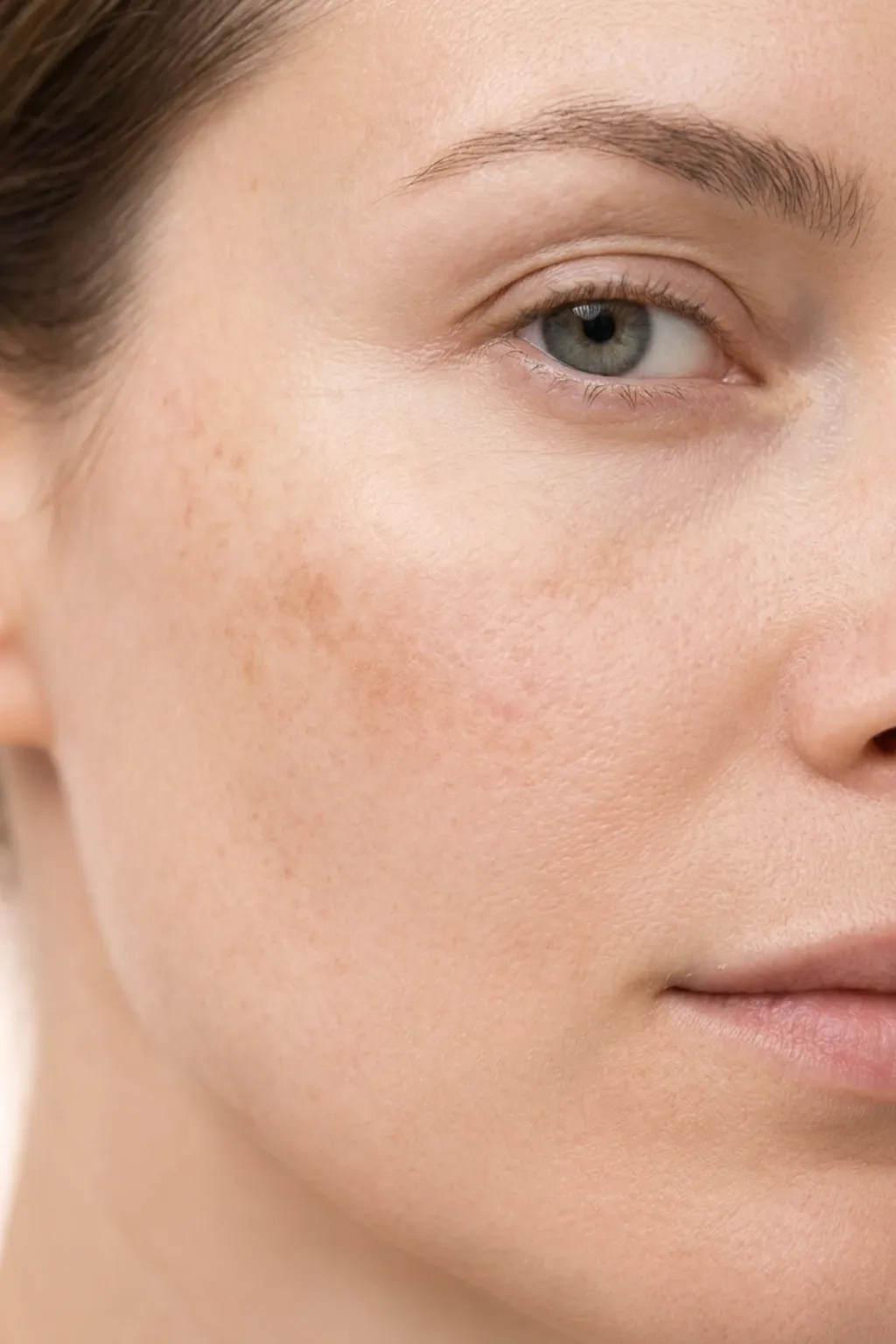
Hyperpigmentation is what you see when melanocytes, the pigment producing cells in your skin, release more melanin in one area than in the tissue around it. It shows up as sun spots, as melasma, as the flat marks left behind by acne, or as a general loss of clarity across the whole face. Effective uneven skin tone treatment begins by identifying which of those you actually have, because they behave very differently.
When you notice that foundation no longer sits evenly, or that one cheek reads darker than the other in daylight, you are looking at pigment sitting at different depths in the skin. Patients from Covington, Newport and Bellevue usually describe it the same way: skin that looks tired even after a full night of sleep.
Uneven tone is one of the most common reasons people across Kenton County, Northern Kentucky and Cincinnati, OH book a skin consultation. It does not hurt, but it changes how rested and healthy you look, and it arrives slowly enough that most people only notice once they compare a recent photograph to an older one.
Why Uneven Skin Tone and Dark Spots Happen
Understanding the Root Causes
01The Science
Melanin production is a protective reflex. When ultraviolet light reaches the skin, melanocytes push pigment upward into the surrounding cells to shield their nuclei from damage. Repeat that signal across twenty or thirty summers and the response stops switching off cleanly, leaving fixed clusters of pigment known as solar lentigines, or sun spots.
Melasma follows a different pathway. It is driven by hormones, genetics, visible light and heat rather than ultraviolet alone, and the pigment often sits deeper in the skin. The American Academy of Dermatology notes that melasma frequently appears during pregnancy or with hormonal contraception and can persist for years. Because heat by itself can provoke it, aggressive energy based treatment sometimes makes melasma darker rather than lighter.
Post-inflammatory hyperpigmentation is the third pattern. After a breakout, an ingrown hair or any injury, inflammation stimulates pigment production at that exact spot and leaves a flat brown or grey mark long after the original lesion has healed. Layered over all three is photoaging, which scatters light unevenly and dulls the complexion. Exion Clear RF for uneven tone works on that renewing surface layer, while a disciplined home routine addresses whatever keeps producing the pigment in the first place.
02Deeper Understanding
Why Melasma Behaves Differently
Managing a Chronic, Relapsing Condition
Melasma is chronic and relapsing. Its pigment can sit in the epidermis, in the deeper dermis, or in both at once, and the deeper it sits the slower and less complete the response to any treatment. The National Library of Medicine describes melasma as a condition that is managed rather than cured, with relapse common once treatment stops.
That framing matters, and we would rather say it plainly than oversell. Melasma can be lightened meaningfully, and most patients are pleased with what a careful series achieves, but nobody should promise you permanent clearance. Heat, visible light and a single unprotected weekend can bring it back. Settings are chosen conservatively for that reason: a gentle series repeated over months is safer than pushing a device hard and triggering a rebound that leaves you darker than when you started.
Daily broad spectrum sun protection does more for melasma than any in-clinic treatment we offer, and that is not a throwaway line. A tinted mineral sunscreen containing iron oxides blocks visible light as well as ultraviolet, which ordinary clear sunscreens do not. Our SkinCeuticals range covers that daily protection alongside antioxidant and pigment correcting serums that hold the ground gained between sessions.
Contributing Factors
What Makes Uneven Skin Tone Worse?
Identifying Your Triggers
Several factors drive pigment production, and most patients have more than one working at the same time. Related skin problems are collected on our skin conditions hub if you are still working out which one describes you.
Cumulative Sun Exposure
Ultraviolet light is the single largest driver of sun spots, and even short daily exposure through car and office windows accumulates.
Hormonal Shifts
Pregnancy, oral contraceptives and perimenopause can switch on melasma, which is why it so often surfaces in your thirties and forties.
Heat and Visible Light
Infrared heat, screens and bright indoor lighting can darken melasma independently of ultraviolet, so a clear sunscreen alone is not enough.
Inflammation and Picking
Acne, ingrown hairs, waxing and picking at blemishes leave post-inflammatory marks that outlast the original breakout by many months.
Over-Aggressive Treatment
Energy treatments run too hot or too deep can trigger fresh pigment, particularly in darker skin tones, which is why settings stay conservative.
Inconsistent Protection
Skipping broad spectrum sunscreen lets new pigment form faster than any in-clinic series can clear the pigment already sitting in your skin.

Why Applegate
Why Choose Applegate MedSpa for Uneven Skin Tone Care in Covington, KY
Elizabeth Taylor, APRN brings a background in acute care medicine and advanced aesthetic training to every pigmentation consultation here, and she builds the plan around the type of pigment you actually have rather than a single default protocol.
- Pigment Type First
- We separate sun damage, melasma and post-inflammatory marks before recommending anything, because each responds to a different pace.
- Conservative Settings
- Darker skin tones carry higher risk of post-treatment pigment, so settings start low and build only as your skin proves it tolerates them.
- Home Care Counts
- Daily broad spectrum protection and pigment correcting serums are written into the plan, not added as an afterthought at checkout.
- Dentist-Founded Practice
- Dr. Barry Applegate's background in facial anatomy shapes how our team reads the whole face, not just the surface of the skin.
- Nurse Practitioner Led
- Elizabeth Taylor, APRN, with advanced aesthetic training through the AAFE, chooses every setting herself and reviews your skin between sessions.
- Two Tools, One Plan
- Exion Clear RF and medical grade peels are both here, so surface pigment and deeper marks are sequenced in one plan rather than referred out.
Uneven Skin Tone Treatment Options Compared
Compare the two in-clinic options we offer for pigment, and the pace each one realistically works at.
| Treatment | Best For | Session Time | Results Timeline | Maintenance |
|---|---|---|---|---|
| Chemical Peels | Surface pigment, post-acne marks | 30-45 minutes | 1-2 weeks per peel | Series of 3, repeat seasonally |
| Skin Resurfacing with Exion Clear RF | Sun spots, dullness, overall clarity | 45-60 minutes | Builds over 4-6 weeks | Series of 4, then annual touch-ups |
You May Be Dealing With Hyperpigmentation If...
Recognizing the pattern tells you what you are dealing with and when professional help is worth it. Pattern drives the plan, because chemical peels for dark spots suit some presentations better than others, and overlapping dull and dehydrated skin can make your tone look worse than the pigment alone would explain.
Flat Brown Spots
Small, sharply defined brown spots on your cheeks, forehead, nose or the backs of your hands that darken every summer and never fully fade.
Symmetrical Patches
Larger patches with soft, blurry edges across both cheeks, the upper lip or the forehead that first appeared in pregnancy or on the pill.
Marks After Breakouts
Flat brown or grey marks sitting exactly where a pimple used to be, still visible months after the blemish itself has completely healed.
Makeup That Fights Back
You reach for extra concealer or heavier foundation to even things out, and the coverage still breaks down by the middle of the afternoon.
A Grey, Tired Cast
Your skin looks washed out in daylight with no single spot to blame, just an overall loss of clarity that photographs pick up clearly.
Darkening With Heat
Patches deepen after a hot shower, a workout, cooking over a stove or a warm weekend outdoors, even when you stayed in the shade.


Related Treatment
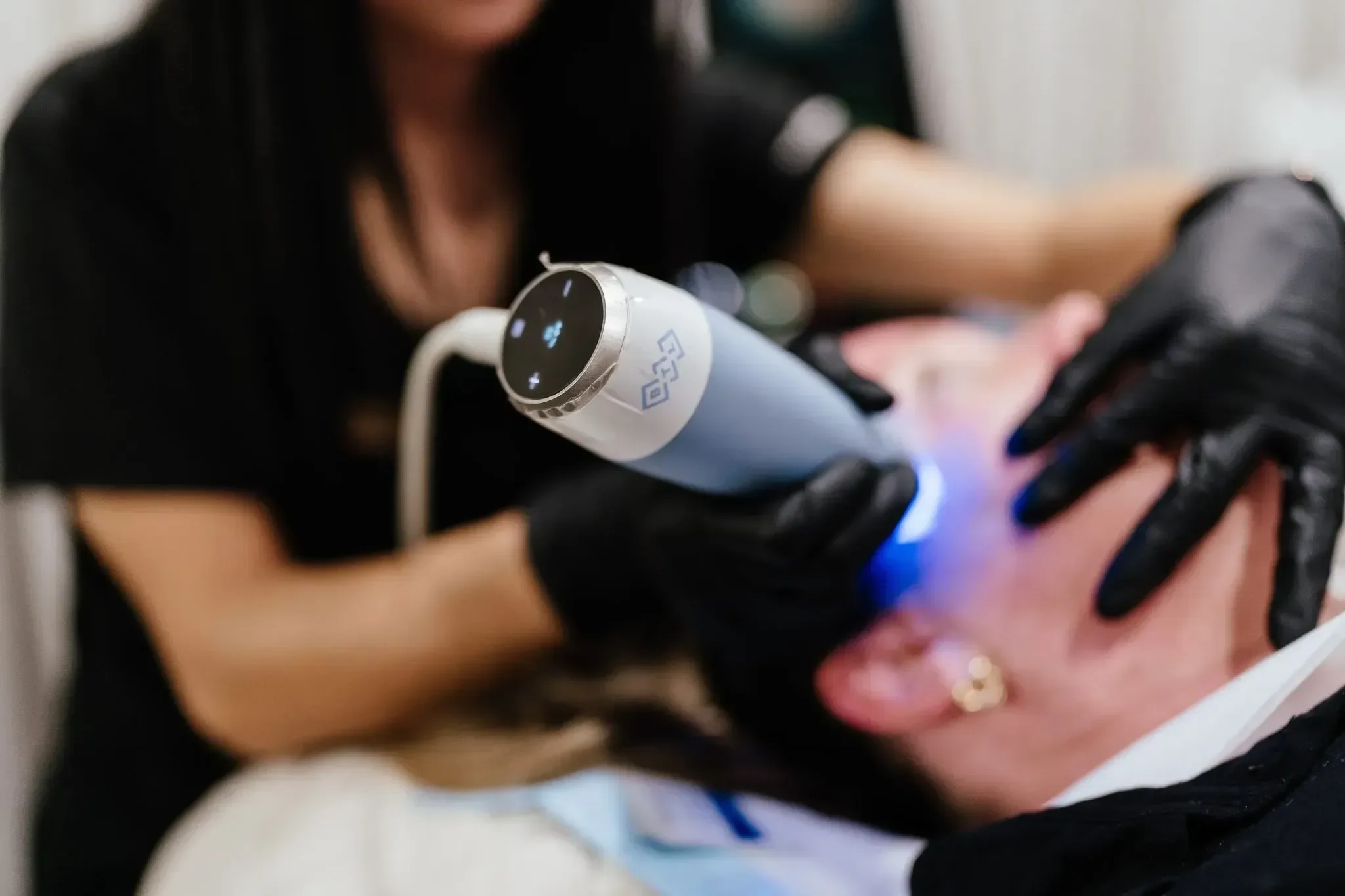
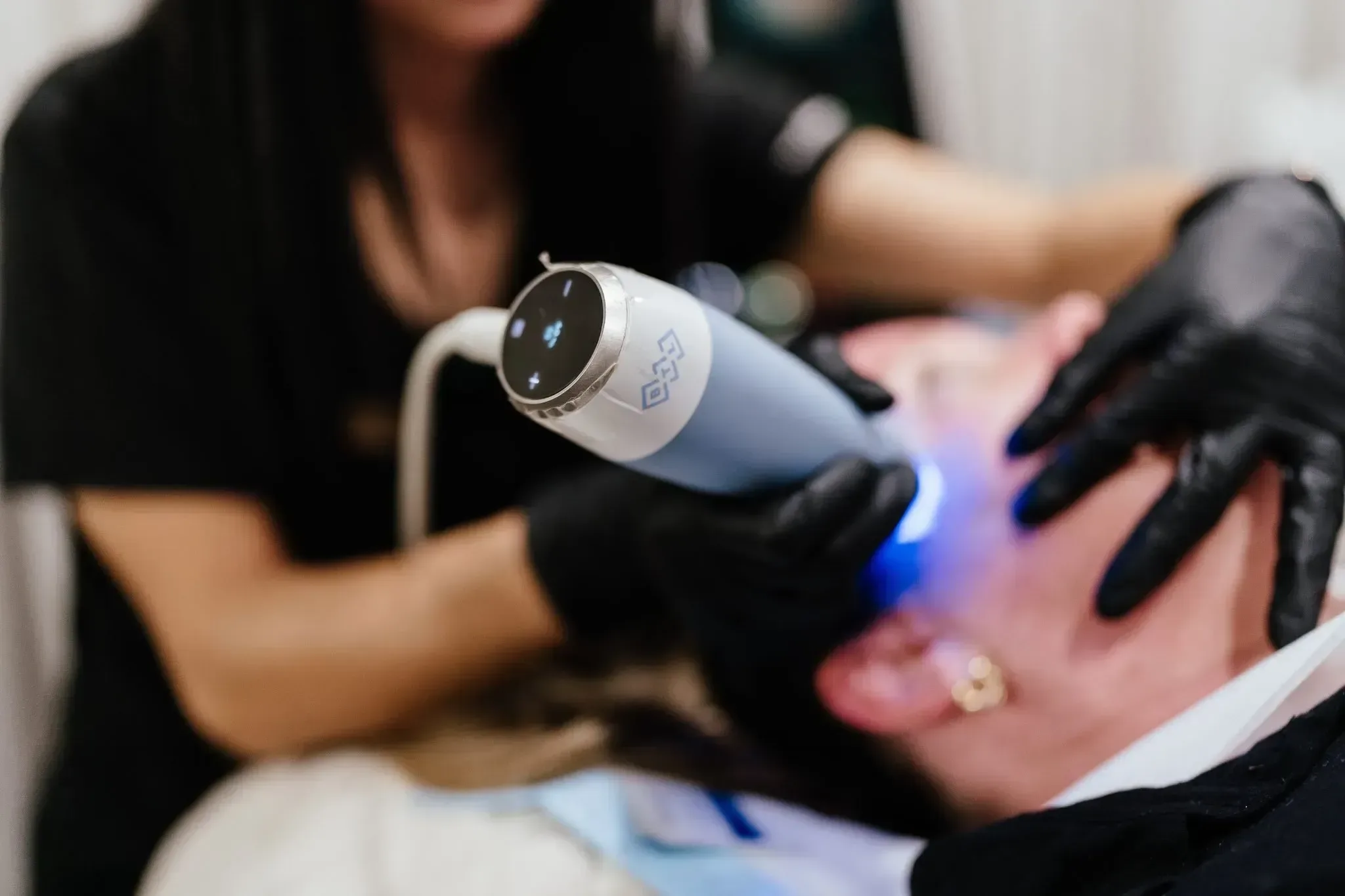
Skin Resurfacing with Exion Clear RF
Smart microablation that refines tone, texture, pore size and clarity.
- Broad Skin Improvement
- Short Recovery
- No Needles
Related Treatment
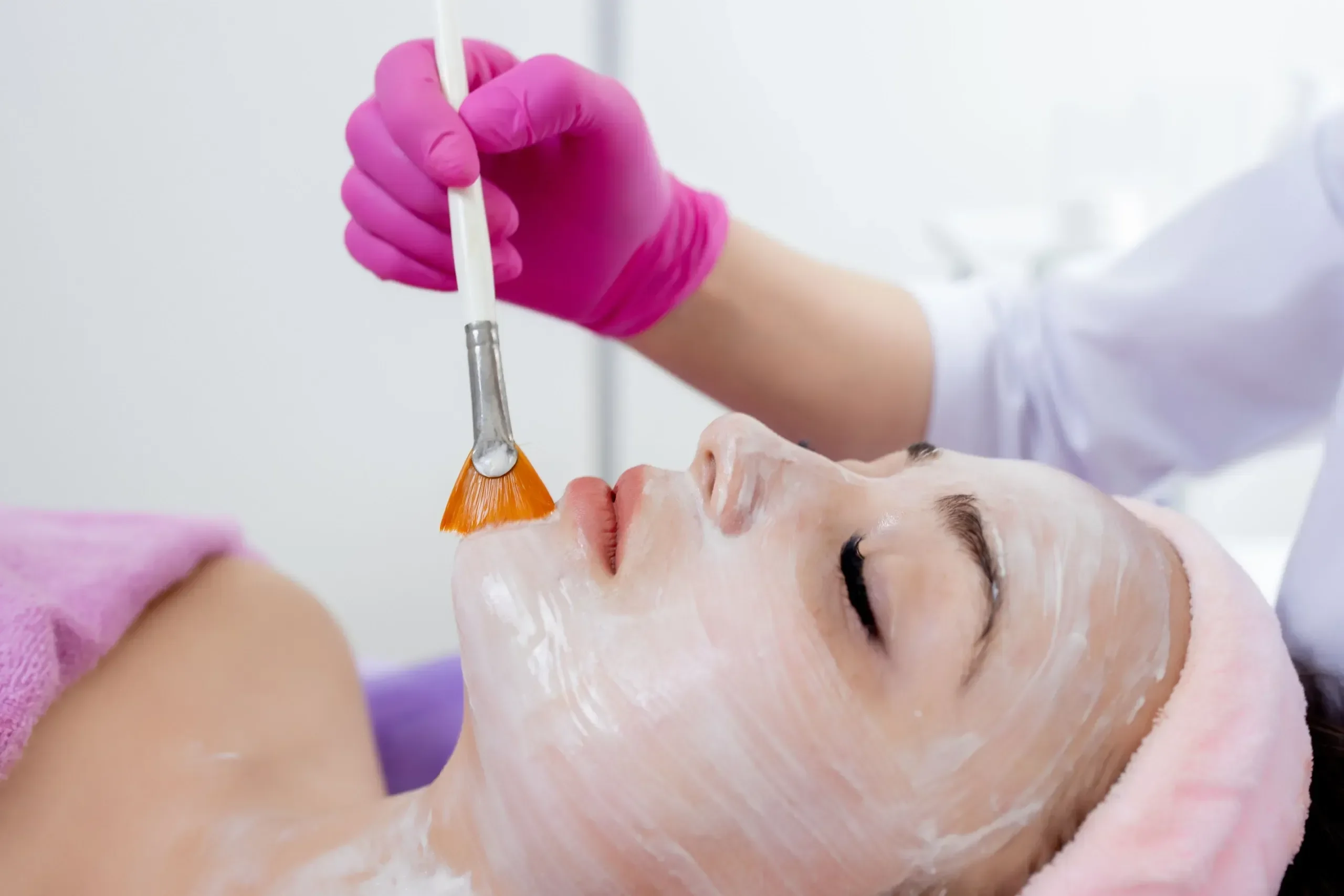
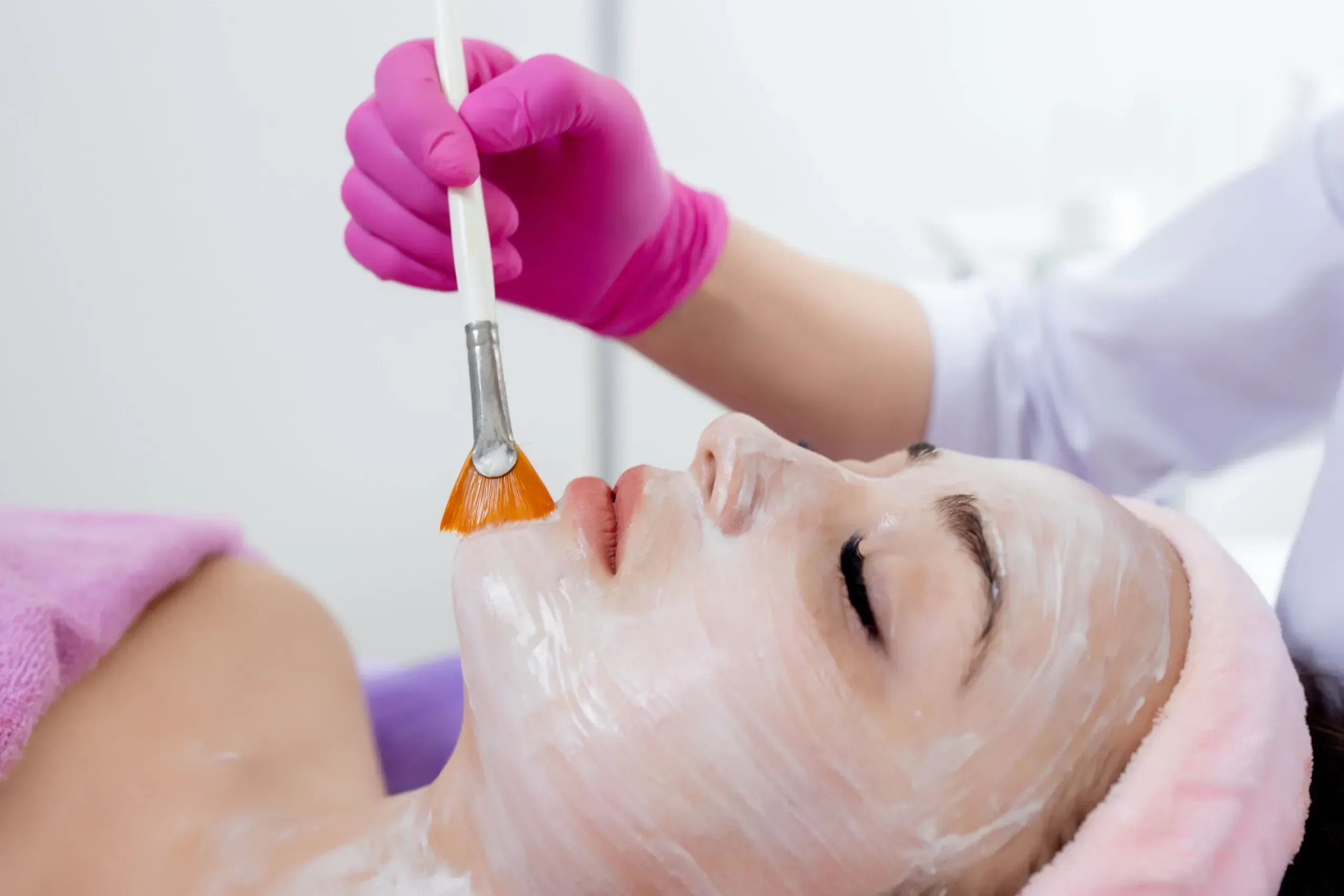
Chemical Peels
Two depths, one clear plan
- Two Depths
- Quick Sessions
- More Than Face
Related Treatment
Dermaplaning
Manual exfoliation that clears dead skin and peach fuzz for a visibly smoother, brighter surface.
- Immediate Results
- Needle Free
- Better Absorption
Related Treatment
RF Microneedling with Exion
Fractional radiofrequency delivered through fine needles to firm skin, refine pores and smooth texture.
- Your Own Collagen
- Multiple Concerns
- Short Recovery

Your Questions
Frequently Asked Questions
Can melasma be cured?
How do I know whether I have sun spots or melasma?
Are these treatments safe for darker skin tones?
How quickly will my dark spots fade?
Does sunscreen really make that much difference?
Can I combine treatments for uneven skin tone?
What can I do at home between sessions?
When should I see a professional about uneven skin tone?
Schedule Today Your Uneven Skin Tone & Hyperpigmentation Consultation
Scientific References
- Ko D et al., Journal of the American Academy of Dermatology. (2023). Review of management and treatment options across the disorders of hyperpigmentation. PMID: 35158001.
- McKesey J et al., Am J Clin Dermatol. (2020). Melasma treatment: an evidence-based review. PMID: 31802394.
- Sarkar R et al., Dermatologic Surgery. (2024). Systematic review of chemical peels for melasma and their comparative efficacy. PMID: 38530985.
- Mar K et al., Journal of Cutaneous Medicine and Surgery. (2024). Systematic review of treatment for post-inflammatory hyperpigmentation in skin of colour. PMID: 39075672.
- Morgado-Carrasco D et al., Photodermatology, Photoimmunology and Photomedicine. (2022). Tailored photoprotection covering visible light improves clinical outcomes in melasma. PMID: 35229368.
- Hughes MC et al., Annals of Internal Medicine. (2013). Randomized trial showing daily sunscreen use slows visible skin aging in adults. PMID: 23732711.
- American Academy of Dermatology. (2024). Patient guidance on melasma treatment, relapse and the role of daily sun protection.