
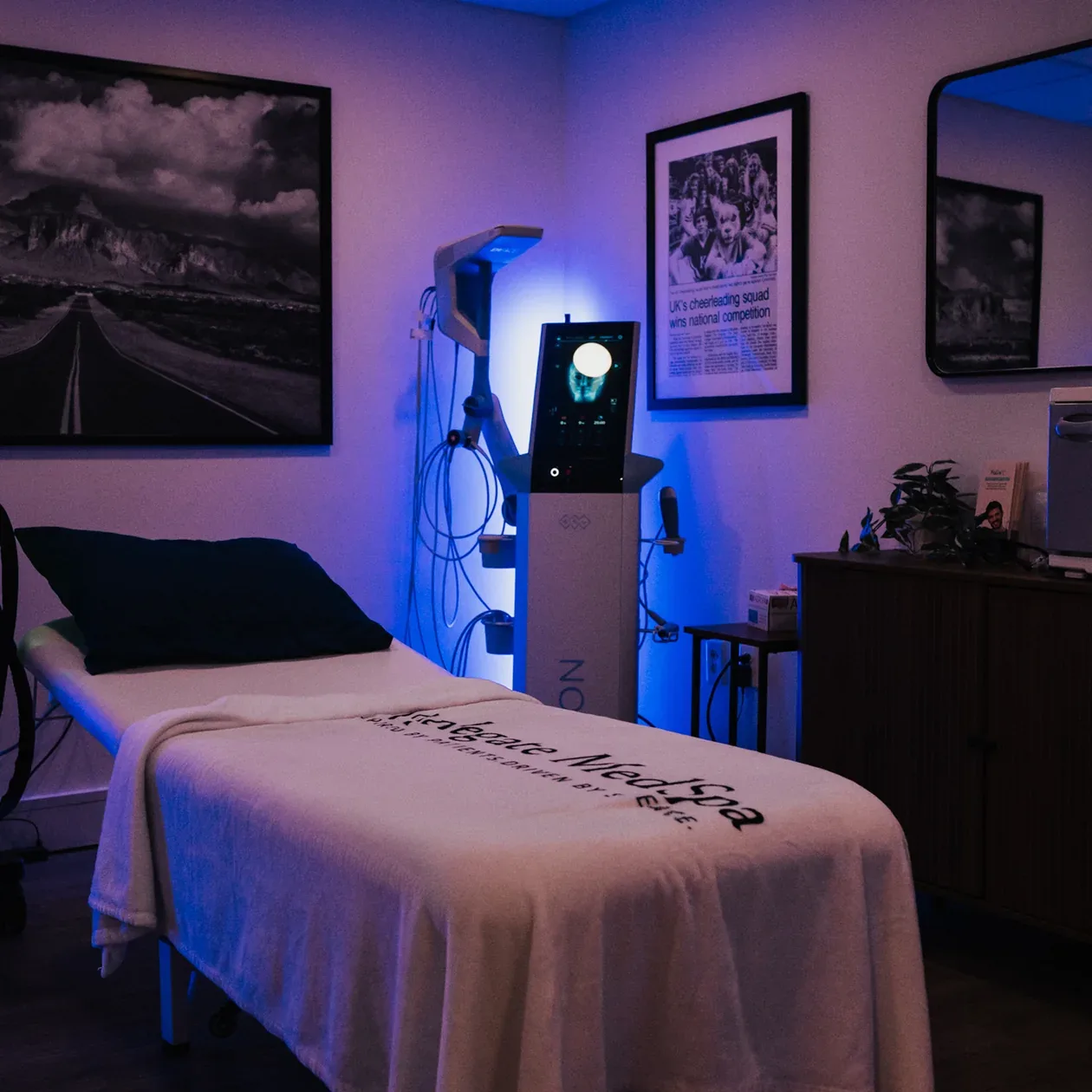
Acne Scar Treatment in Covington, KY
Smooth Texture, Renewed Confidence
- Common In:
- Adults 20 to 55
- Primary Causes:
- Inflammatory acne, collagen loss
- Treatment Time:
- 30-60 minutes
- Results:
- 4 to 12 weeks
Understanding Your Skin
What Are Acne Scars?
Recognizing the Signs
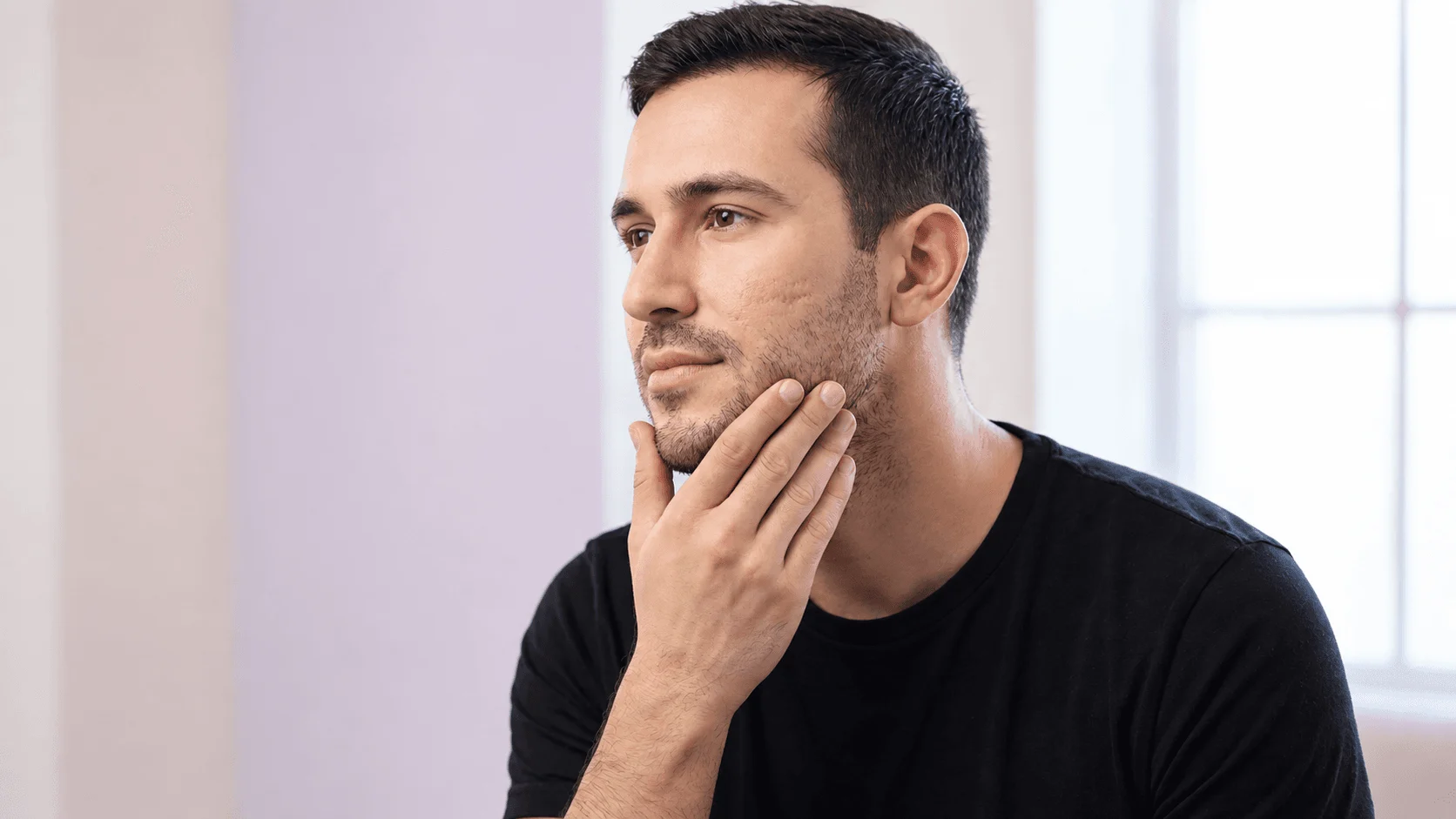
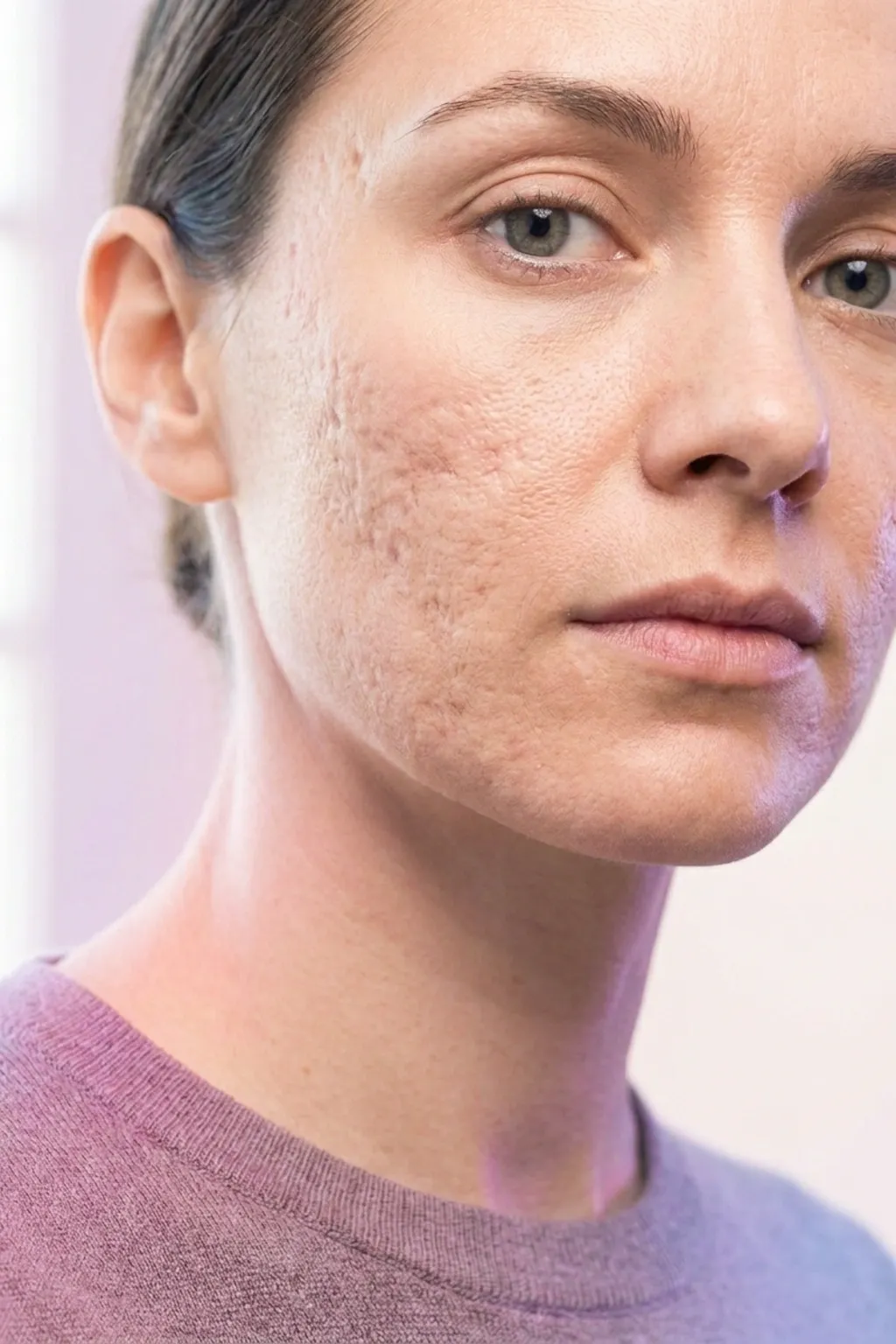
Acne scars are permanent changes in skin structure left behind after inflammatory acne damages the dermis, the supportive layer under the surface. Patients across Covington, Kenton County, Northern Kentucky and Cincinnati, OH start searching for acne scar treatment near me once topical products stop helping, because true scarring sits far too deep for a cream to reach.
When you tilt your face toward a window and see dips, shadows or raised ridges that stay put no matter how calm your skin is that week, you are looking at structural scarring rather than an active breakout. Texture you can feel with a fingertip is the clearest signal of all.
Not every mark acne leaves behind is a scar. Flat red or brown patches are discoloration, and they behave very differently from pitted or raised scarring. Sorting out which one you have is the most useful step you can take before choosing anything, and it shapes every plan we build across the skin and wellness conditions we treat in Covington, KY.
Why Acne Scars Form
Understanding the Root Causes
01The Science
Healthy skin repairs small wounds without a trace. Inflammatory acne is different. A ruptured follicle spills bacteria, sebum and keratin into the surrounding dermis, and the immune response that clears that debris also digests collagen and elastin. The deeper and longer the inflammation runs, the more structural protein is lost.
What the skin does next decides the scar type. If repair lays down too little collagen, the surface collapses into a depression, which is an atrophic scar. If repair lays down too much, a firm raised ridge forms instead, which is a hypertrophic or keloid scar. The American Academy of Dermatology notes that the large majority of acne scars fall into the atrophic group.
Timing matters more than most people expect. Scarring risk climbs with every month inflammatory acne goes uncontrolled, which is why settling active acne breakouts is always the first move before any resurfacing work begins.
02Deeper Understanding
The Real Acne Scar Types
How Scar Shape Guides Treatment
Atrophic scars, the depressed kind, divide into three shapes. Ice pick scars are narrow, usually under 2 mm wide, and taper to a sharp point deep in the dermis. Boxcar scars are round or oval with sharply defined vertical walls, typically 1.5 to 4 mm across. Rolling scars are wider with soft edges, tethered from underneath by fibrous bands that pull the surface into a gentle wave.
Hypertrophic and keloid scars are the opposite problem. They are raised, firm and pink to purple, caused by too much collagen rather than too little, and they appear most often along the jawline, chest, shoulders and back. They need a different approach than pitted scarring, so the two are never treated the same way.
Two very common marks are not scars at all. Post-inflammatory erythema is the flat pink or red patch left after a pimple settles, driven by dilated capillaries rather than lost collagen. Post-inflammatory hyperpigmentation is the flat brown or grey version, driven by excess melanin and far more common in deeper skin tones. Both sit level with the surrounding skin, both usually fade on their own over six to twelve months, and both respond to tone and pigment work rather than collagen remodeling.
A systematic review of randomized controlled trials on microneedling for atrophic scars reported consistent improvement in scar severity scores, with the strongest response in rolling and boxcar scarring. That is why RF microneedling for acne scars is our primary option for atrophic texture, while ice pick scars, the deepest and narrowest type, typically ask for the most sessions and the most patience.
Contributing Factors
What Makes Acne Scarring Worse?
Identifying Your Triggers
Several factors decide whether a breakout heals cleanly or leaves a permanent mark, and most of them are within reach once you know what to watch for. A TCA peel for textured scars is one of several options we weigh after working out which of these applies to you.
Cystic and Nodular Acne
Deep, walled off lesions destroy far more collagen than surface whiteheads, and they carry the highest scarring risk of any acne type.
Delayed Acne Control
Every month inflammatory acne goes untreated widens the zone of collagen damage, so early control remains the strongest preventive step available.
Picking and Squeezing
Home extraction pushes inflammatory debris deeper into the dermis and stretches the healing window, and both of those raise the odds of a permanent mark.
Genetics and Skin Type
A family history of keloids or a tendency toward raised healing makes hypertrophic scarring more likely, regardless of how severe the acne itself was.
Unprotected Sun Exposure
UV exposure darkens healing marks and slows collagen repair, which turns a discoloration that should fade into one that lingers for many months.
Prolonged Inflammation
Redness and swelling that persist for weeks after a lesion clears signal ongoing enzyme activity that keeps breaking down dermal collagen.

Why Applegate
Why Choose Applegate MedSpa for Acne Scar Care in Covington, KY
Elizabeth Taylor, APRN brings a background in acute care medicine and advanced aesthetic training to every scar assessment, and she maps your scar types in person before recommending a single session. Applegate Dentistry and MedSpa was founded by a dentist, so facial anatomy sits at the center of how we treat skin.
- Scar Type Mapping
- We identify ice pick, boxcar, rolling and raised scarring separately, because each shape answers to a different depth and energy setting.
- Complete BTL Skin Suite
- Exion fractional RF, Exion Clear RF and medical grade peels sit under one roof, so your plan is shaped by your skin and not by our equipment.
- Facial Anatomy Expertise
- Dr. Barry Applegate, DMD brings decades of facial and jaw anatomy expertise to how we approach the lower face, jawline and chin.
- Honest Timelines
- We tell you upfront how many sessions your scar type typically needs, and which marks realistically will not change.
- Nurse Practitioner Led
- Elizabeth Taylor, APRN plans and supervises every scar series, with a background in acute care medicine and advanced aesthetic training behind each setting she chooses.
- Numbed Before Energy
- Numbing cream goes on before Exion sessions, so a full face pass is comfortable rather than something to brace for.
Acne Scar Treatment Options Compared
Compare the acne scar treatments we offer in Covington, KY. Still deciding between devices? Read <a href="/blog/rf-microneedling-vs-microneedling/">which microneedling option suits acne scars</a>.
| Treatment | Best For | Session Time | Results Timeline | Maintenance |
|---|---|---|---|---|
| RF Microneedling with Exion | Rolling and boxcar scars | 45-60 minutes | 8-12 weeks | 4 sessions, then annual |
| Skin Resurfacing with Exion Clear RF | Shallow texture and clarity | 30-45 minutes | 4-8 weeks | 4 sessions, then as needed |
| Chemical Peels | Discoloration and fine texture | 30 minutes | 2-6 weeks | 3 sessions, then seasonal |
You May Have Acne Scarring If...
Knowing which kind of mark you have tells you whether it will fade on its own or needs professional resurfacing, and skin resurfacing for scarring is often where that conversation begins.
Shadows in Side Light
Your skin looks smooth under bathroom lighting but shows dips and shadows near a window or in photos taken from an angle.
Makeup Settles In
Foundation and concealer sink into small depressions within an hour, leaving visible pitting even after a careful application.
Texture You Can Feel
Running a fingertip across your cheek picks up small craters or firm ridges that your eyes do not always catch in the mirror.
Marks That Never Filled In
A breakout cleared months or even years ago, yet the indentation it left behind has not softened at all since then.
Raised Firm Bumps
Old acne sites along your jawline, chest or back sit above the skin surface and feel dense rather than tender to the touch.
Flat Red or Brown Patches
Discoloration with no change in texture, which is post-inflammatory pigment rather than true scarring and follows a different path.

Related Treatment
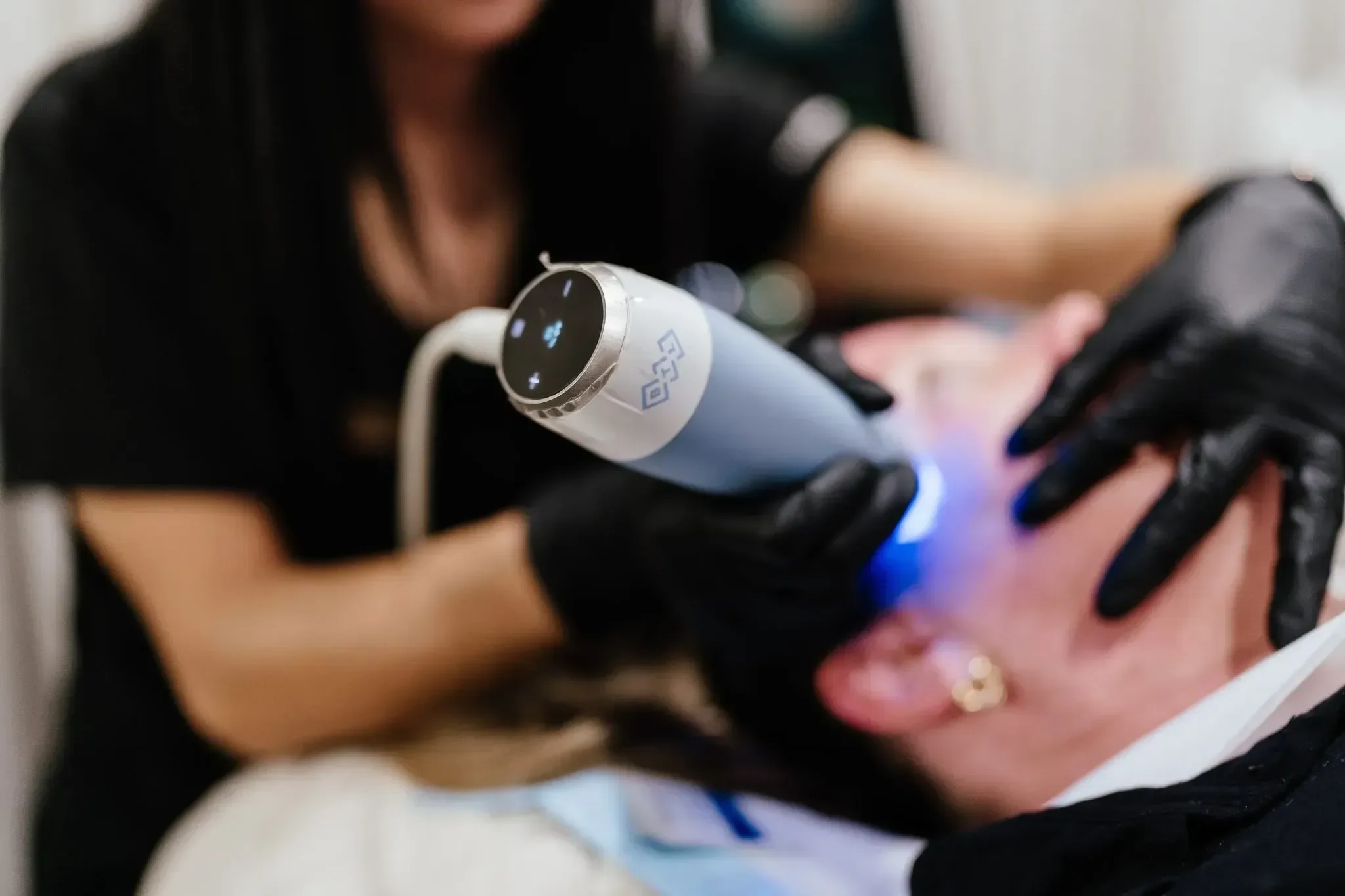
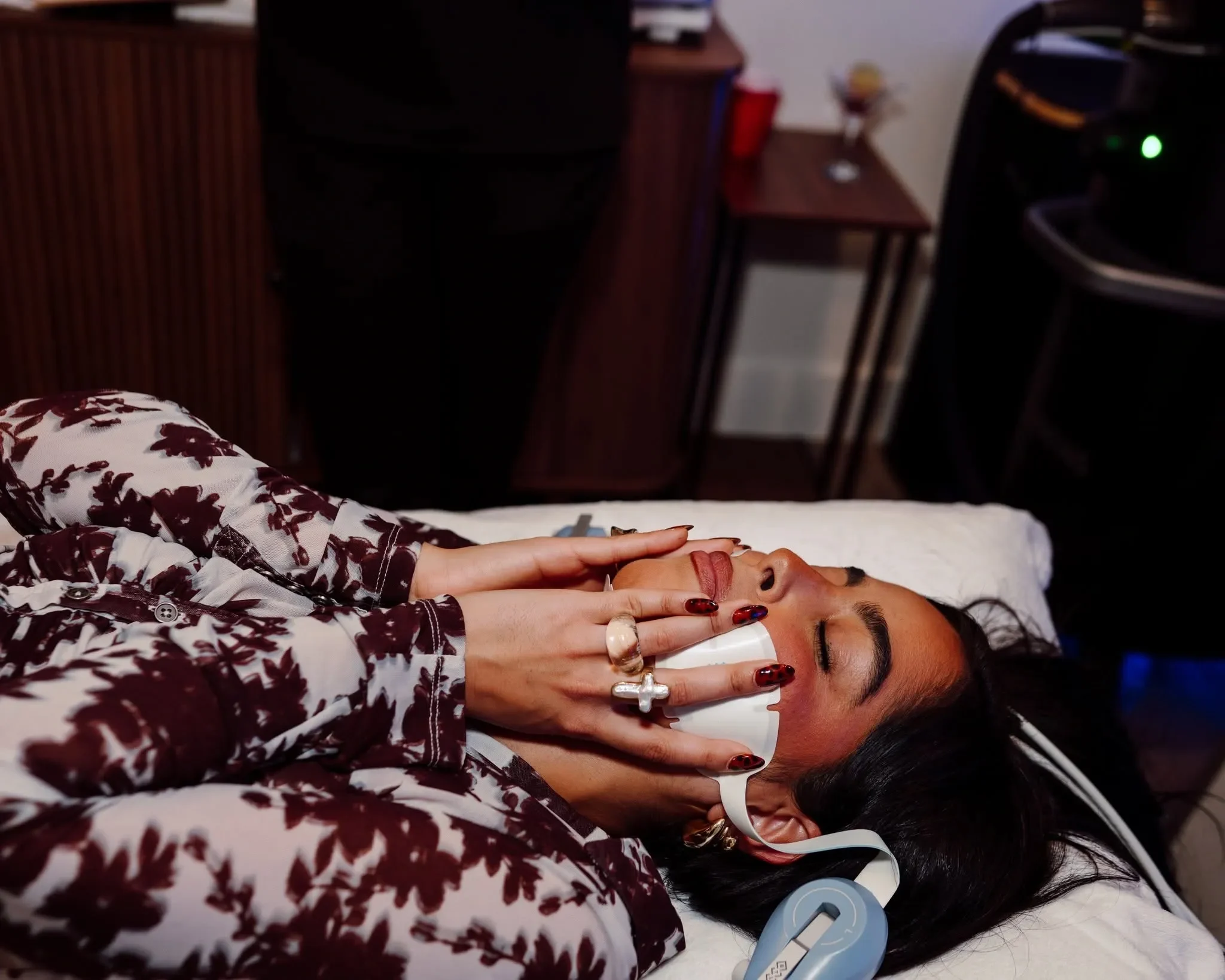
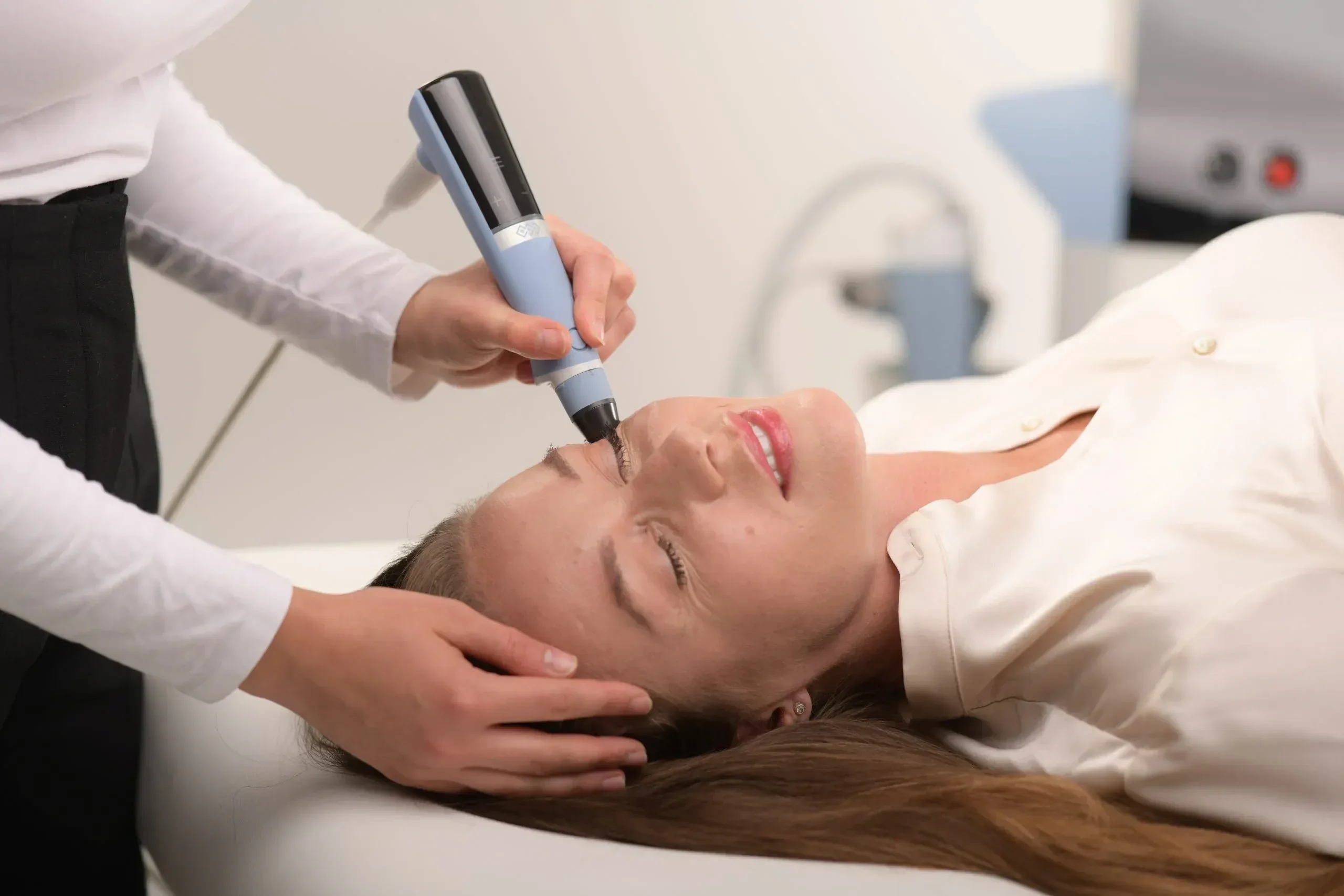
RF Microneedling with Exion
Fractional radiofrequency delivered through fine needles to firm skin, refine pores and smooth texture.
- Your Own Collagen
- Multiple Concerns
- Short Recovery
Related Treatment
Skin Tightening with Exion
Needle free radiofrequency and ultrasound that firms and rehydrates skin.
- No Needles
- Zero Downtime
- Natural Hydration
Related Treatment
Skin Resurfacing with Exion Clear RF
Smart microablation that refines tone, texture, pore size and clarity.
- Broad Skin Improvement
- Short Recovery
- No Needles

Your Questions
Frequently Asked Questions
Will acne scars fade on their own?
How do I know which acne scar type I have?
How many sessions does acne scar treatment take?
Can I treat acne scars while I still get breakouts?
Is acne scar treatment painful?
Does acne scar treatment work on deeper skin tones?
When will I see results from acne scar treatment?
Schedule Today Your Acne Scars Consultation
Scientific References
- Sitohang IBS et al., International Wound Journal. (2021). Systematic review of randomized controlled trials found microneedling consistently improved atrophic scar severity scores. PMID: 33538106.
- Tan MG et al., Dermatologic Surgery. (2021). Critical review of radiofrequency microneedling across dermatologic indications, including atrophic acne scarring. PMID: 33577211.
- Boen M et al., Dermatologic Surgery. (2019). Treatment options mapped to the ice pick, boxcar and rolling acne scar classification system. PMID: 30856634.
- Connolly D et al., The Journal of Clinical and Aesthetic Dermatology. (2017). Review of acne scar pathogenesis, evaluation and the evidence behind current treatment options. PMID: 29344322.
- Pakla-Misiur A et al., Postepy Dermatologii i Alergologii. (2021). Double-blind randomized controlled trial comparing microneedling alone versus chemical peeling alone versus a combination of microneedling and chemical peeling in the treatment of atrophic post-acne scars. PMID: 34658706.
- American Academy of Dermatology. (2024). Patient guidance on acne scar types and how dermatologic treatment is matched to each.