
Snoring Treatment in Covington, KY
Quieter Nights for Both of You
- Common In:
- Adults 40 and over, more often men
- Primary Causes:
- Nasal blockage, soft palate laxity, alcohol
- Treatment Time:
- About 20 minutes
- Results:
- Often after 1 to 3 sessions


Understanding Your Sleep
What Is Snoring?
Recognizing the Signs
Snoring is the sound of soft tissue in the upper airway vibrating as air is forced past it during sleep. Once you fall asleep, the muscles of the throat, soft palate and tongue relax. If that relaxed tissue narrows the airway, air moving through has to speed up, and the tissue begins to flutter. That flutter is the noise. Patients across Covington, Kenton County and Northern Kentucky ask us about snoring treatment more often than almost any other sleep complaint.
When you are the one snoring, you usually hear about it from someone else. You may wake with a dry mouth or a raw throat, feel like you never quite reached deep rest, or discover that your partner has quietly moved to the guest room. Some people only learn how loud it has become from a recording on a phone.
Snoring is rarely just a noise problem. It strains relationships, makes shared hotel rooms and family trips stressful, and leaves both people in the bed short on sleep. Patients from Newport, Park Hills and across greater Cincinnati tell us the social side bothers them long before the sound itself does.
Why Snoring Happens
Understanding the Root Causes
01The Science
Air moving through a wide, open airway is quiet. Narrow that airway and the same volume of air has to travel faster through a smaller space, which lowers the pressure against the airway walls and draws the soft tissue inward. The soft palate and uvula then vibrate against the back of the throat, typically dozens of times per second, and that vibration is the sound you hear. Published sleep medicine consensus work on primary snoring describes this as a mechanical matter of airway shape and tissue tone rather than a question of effort or willpower.
Anything that narrows the airway or loosens the tissue makes the vibration louder. Nasal congestion forces mouth breathing. Alcohol and sedatives relax the throat further than ordinary sleep does. Lying on your back lets the tongue and soft palate settle backward under gravity. Extra weight around the neck presses on the airway from the outside. Each factor stacks on the others, which is why snoring usually worsens gradually over years rather than appearing overnight.
Because the soft palate is where most of the sound is generated, care aimed at that tissue can change the noise without surgery. Solea Sleep laser snoring treatment delivers gentle laser energy to the soft palate to firm and tighten it so it resists fluttering. The visit takes about 20 minutes, there is no appliance to wear and nothing to remove afterward. Where the snoring comes from decides the treatment. Palatal vibration responds to the Solea Sleep laser, and a jaw and tongue that fall back during sleep respond to a Panthera snore guard.
02Important Distinction
When Snoring Needs a Medical Evaluation
Knowing Where Cosmetic Care Stops
Snoring and obstructive sleep apnea are not the same thing. Snoring is noise made by vibrating tissue. Obstructive sleep apnea is a medical diagnosis in which the airway repeatedly closes during sleep and breathing stops for seconds at a time. Many people who snore do not have it, and some people who have it snore very little. Only a sleep study ordered and read by a physician can tell the two apart, and the American Academy of Sleep Medicine advises a medical evaluation rather than assuming that loud snoring is harmless.
Please speak with your physician about a sleep evaluation before booking any cosmetic or laser treatment if any of the following apply to you:
- Someone has witnessed you stop breathing during sleep
- You wake up gasping or choking
- You are severely sleepy during the day no matter how long you spent in bed
- You wake with a headache most mornings
- You have high blood pressure that is difficult to control
- You have fallen asleep, or nearly fallen asleep, while driving
To be plain about the limit: Solea Sleep is a snoring treatment. It is not a treatment for diagnosed obstructive sleep apnea and it does not replace CPAP. If you already use CPAP, keep using it and talk with your sleep physician first. Once a medical evaluation has been completed and the snoring itself is the remaining concern, we are glad to help. You can review everything we treat on our conditions we treat pages.
Contributing Factors
What Makes Snoring Worse?
Identifying Your Triggers
Snoring almost always comes from a stack of factors rather than one cause, and knowing which apply to you shapes what will actually help. Night-time clenching frequently travels with snoring, which is why we also ask about TMJ and jaw pain and explain how snoring and jaw clenching are connected.
Nasal Obstruction
Congestion, allergies, a deviated septum or chronic sinus swelling push you into mouth breathing, which sends air straight across the soft palate.
Soft Palate and Uvula
A long or floppy soft palate, an elongated uvula or enlarged tonsils leave more loose tissue in the airway with more surface free to vibrate.
Ageing Tissue Laxity
Muscle tone in the throat and palate declines with age, so tissue that once held its shape during sleep now collapses inward more easily.
Weight Around the Neck
Added fat in the neck and under the chin presses on the airway from outside, narrowing it before a single breath is taken.
Alcohol, Sedatives, Smoking
Alcohol and sedatives relax throat muscles beyond normal sleep levels, while smoking inflames and swells the lining of the airway.
Sleeping on Your Back
Lying flat on your back lets gravity draw the tongue and soft palate backward, which narrows the airway at its most vibration-prone point.
Why Applegate
Why Choose Applegate MedSpa for Snoring Care in Covington, KY
Applegate MedSpa was founded by a dentist, and that matters here. Dr. Barry Applegate, DMD has assessed airways, soft palates and bites as routine dental work since 1993, which is not something most med spas in Northern Kentucky can offer.
- Dental Airway Exam
- We look at the soft palate, uvula, tonsils and tongue position as part of a normal dental exam, not as an add-on.
- Bite and Clenching Review
- Snoring and night-time clenching often travel together, so we assess both rather than treating the noise in isolation.
- No Appliance to Wear
- Solea Sleep is a short in-office laser visit, with nothing to fit, clean or remember to pack for a trip.
- Honest Referral When Needed
- If your history points toward a medical sleep concern, we say so and send you for a proper evaluation first.
- Since 1993 in Covington
- Dr. Barry Applegate, DMD has examined airways and bites here for three decades, so a snoring visit starts from long experience, not a new service line.
- Dental and Sleep in One Place
- Because this is a dental practice, night guards, bite refinement and the Solea Sleep laser are planned by the same team rather than across three referrals.
Snoring Approaches Compared
The Solea Sleep laser is the snoring treatment we provide in Covington, KY. The table below shows what it involves, and the section under it sets it beside the other routes people commonly try.
| Approach | Best For | Session Time | Results Timeline | Maintenance |
|---|---|---|---|---|
| Solea Sleep Laser | Soft palate laxity and vibration | About 20 minutes | Often after 1 to 3 sessions | Touch-up roughly yearly |
| Panthera snore guard | Snoring driven by the jaw and tongue falling back | Nightly wear | Reduced snoring | While worn |
Other Approaches People Try
These are not offered at Applegate MedSpa. They are here so you can weigh your options honestly.
| Approach | Best For | Session Time | Results Timeline | Maintenance |
|---|---|---|---|---|
| Oral Appliance Therapy | Jaw position and tongue base | Fitted, then worn nightly | First night once fitted | Nightly wear and refits |
| Positional Therapy and Lifestyle Change | Back sleeping, weight, alcohol | Nightly habit change | Weeks to months | Ongoing daily effort |
| Nasal Strips and Nasal Dilators | Congestion and narrow nostrils | Applied nightly | Same night when nasal | Nightly, disposable |
| Surgery Such as UPPP | Severe anatomical obstruction | Hospital procedure | Weeks after healing | Usually a one-time surgery |
You May Be Dealing With Snoring If...
Recognizing your own pattern helps you decide whether this is a nuisance you can manage at home or something worth bringing to a professional. If several of these sound familiar, a conversation about snoring treatment in Covington, KY is reasonable, and if morning jaw tightness travels with it, ask about Emface for TMJ at the same visit.
Separate Bedrooms
Your partner has started sleeping in another room, or wears earplugs every night, and neither of you calls it a temporary arrangement anymore.
Dry Mouth Mornings
You wake with a parched mouth or a raw throat most days, which points to a night spent breathing through your mouth.
You Wake Yourself Up
Your own snoring startles you awake, or you surface briefly several times a night without ever knowing quite why.
Travel Anxiety
You hesitate over shared hotel rooms, family trips or cabin weekends because you already know how the night will go.
Morning Jaw Tightness
You wake with a tight or aching jaw alongside the snoring, a pairing we see often in patients who clench at night.
Worse After Wine
A glass or two in the evening, or a night flat on your back, reliably turns ordinary snoring into something the whole house hears.

Related Treatment
Solea Sleep Laser
A quick, gentle laser treatment for snoring, with no needles and no appliances.
- No Needles
- No Appliance
- Minutes, Not Hours
Related Treatment
Panthera Snore Guard
A custom, metal free device that holds your jaw forward so you snore less.
- Metal Free
- Made for Your Mouth
- Small and Light
Related Treatment
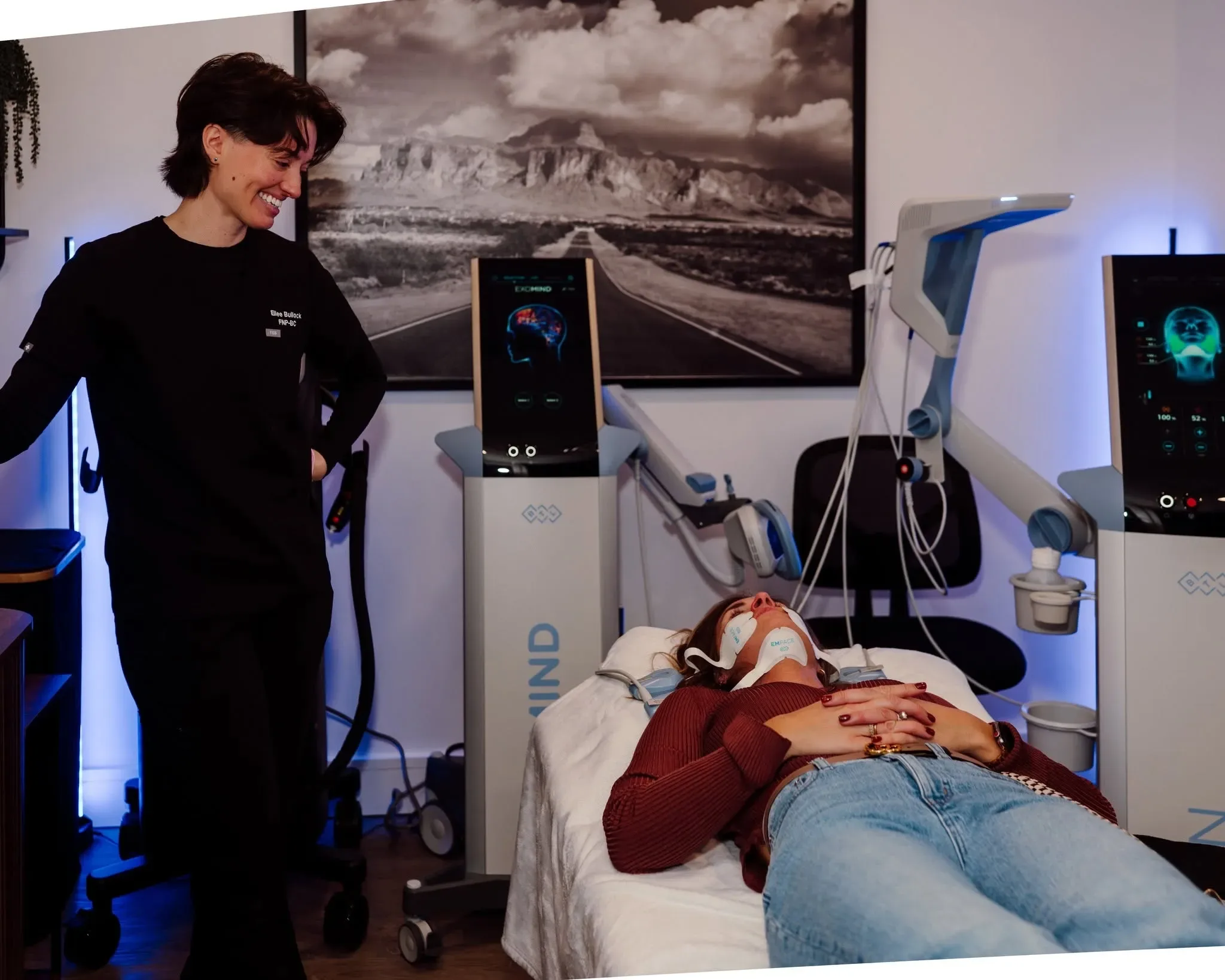
Emface for TMJ
Needle-free jaw muscle therapy that eases clenching, grinding and TMJ tension.
- No Injections
- No Downtime
- Bite Stays Untouched
Related Treatment
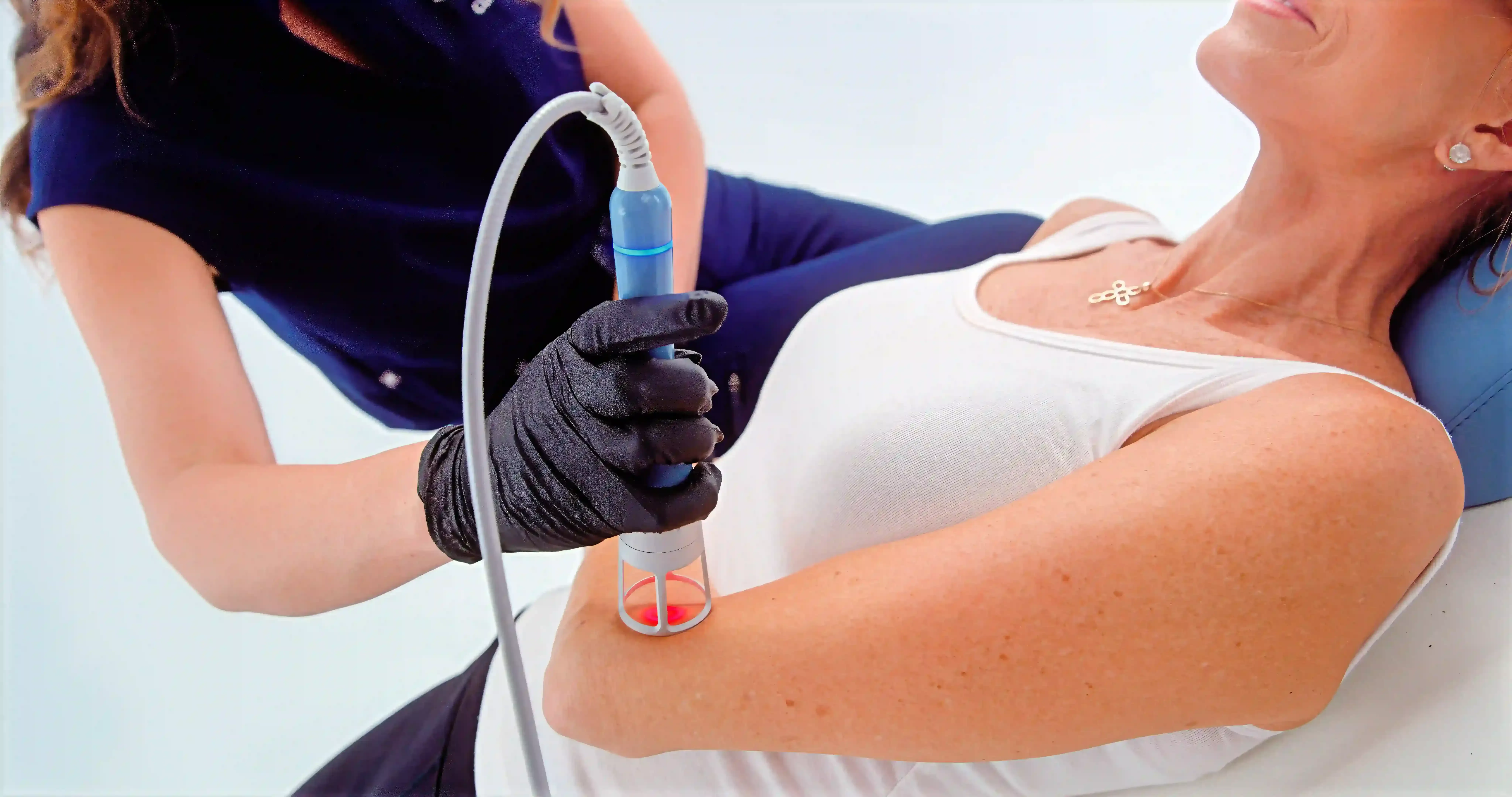
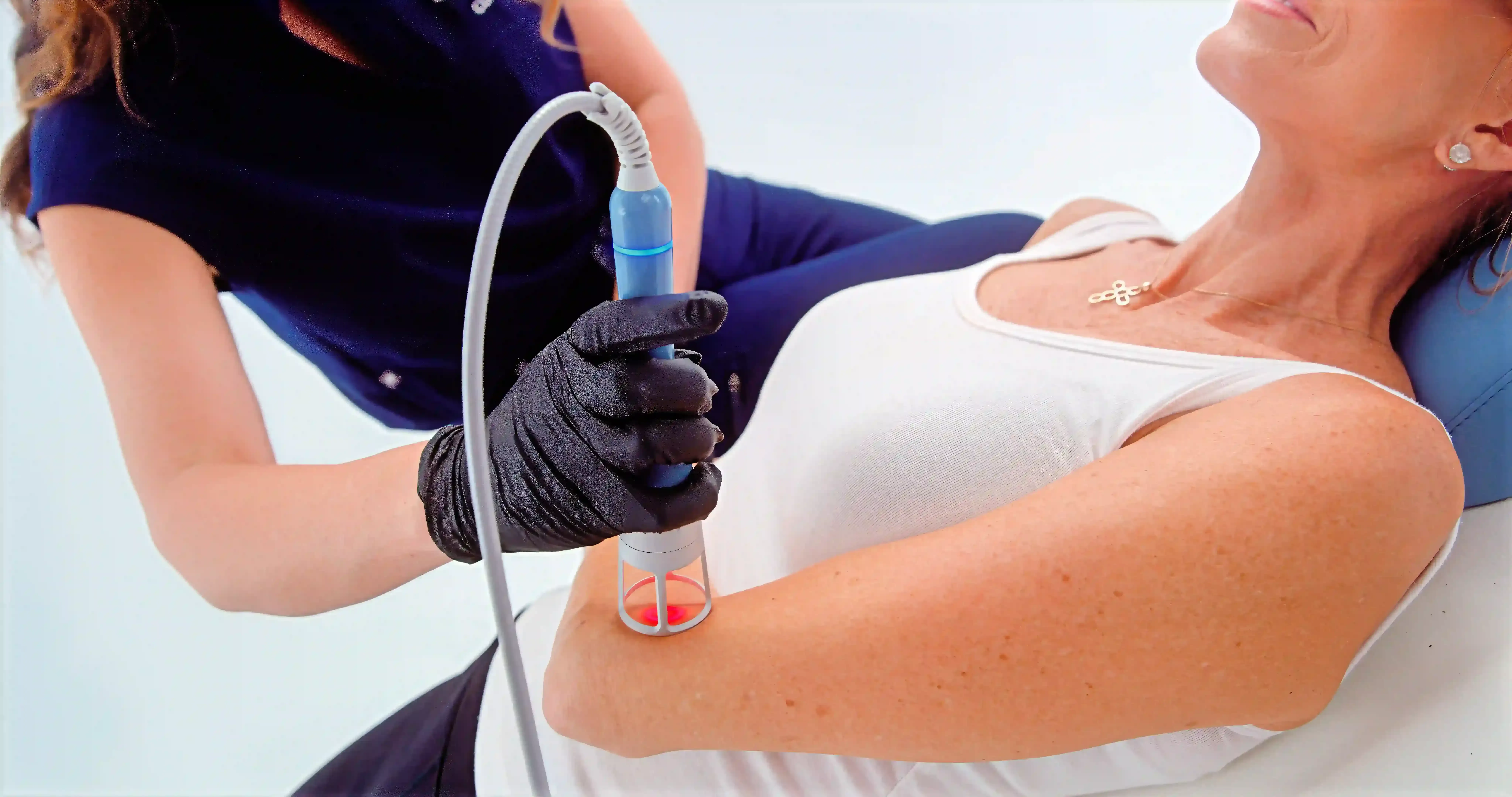
Laser Therapy for Pain with Emvital
Targeted 1064 nm laser energy that eases muscle and joint pain, stiffness and spasm with no downtime.
- No Downtime
- Drug Free
- Deep Tissue Reach
Your Questions
Frequently Asked Questions
Why did I start snoring when I never used to?
Is snoring the same thing as sleep apnea?
Can Solea Sleep replace my CPAP machine?
Will losing weight or changing sleep position be enough?
Why would a dentist treat snoring?
Are snoring and night-time jaw clenching connected?
How soon would my partner notice a difference?
Schedule Today Your Snoring Consultation
Scientific References
- Sarkis et al., Respirology. (2023). An Australasian Sleep Association position statement set out consensus and evidence based treatment for primary snoring. PMID: 36617387.
- Li et al., J Clin Sleep Med. (2024). A large-scale polysomnographic study reported the prevalence and risk factors of sleep bruxism in adults with primary snoring. PMID: 38607243.
- Riemann et al., Eur Arch Otorhinolaryngol. (2010). Nocturnal alcohol ingestion was shown to influence snoring intensity and frequency. PMID: 19949955.
- Neruntarat et al., Lasers Med Sci. (2020). A systematic review and meta-analysis of Er:YAG laser for snoring found significant reductions in snoring scores. PMID: 32112250.
- Picavet et al., Eur Arch Otorhinolaryngol. (2023). A randomized controlled trial of non-invasive Er:YAG laser treatment with SMOOTH mode reported reduced snoring. PMID: 35867153.
- American Academy of Sleep Medicine. (2024). Patient guidance on snoring, how it differs from obstructive sleep apnea, and when to seek a medical sleep evaluation.