
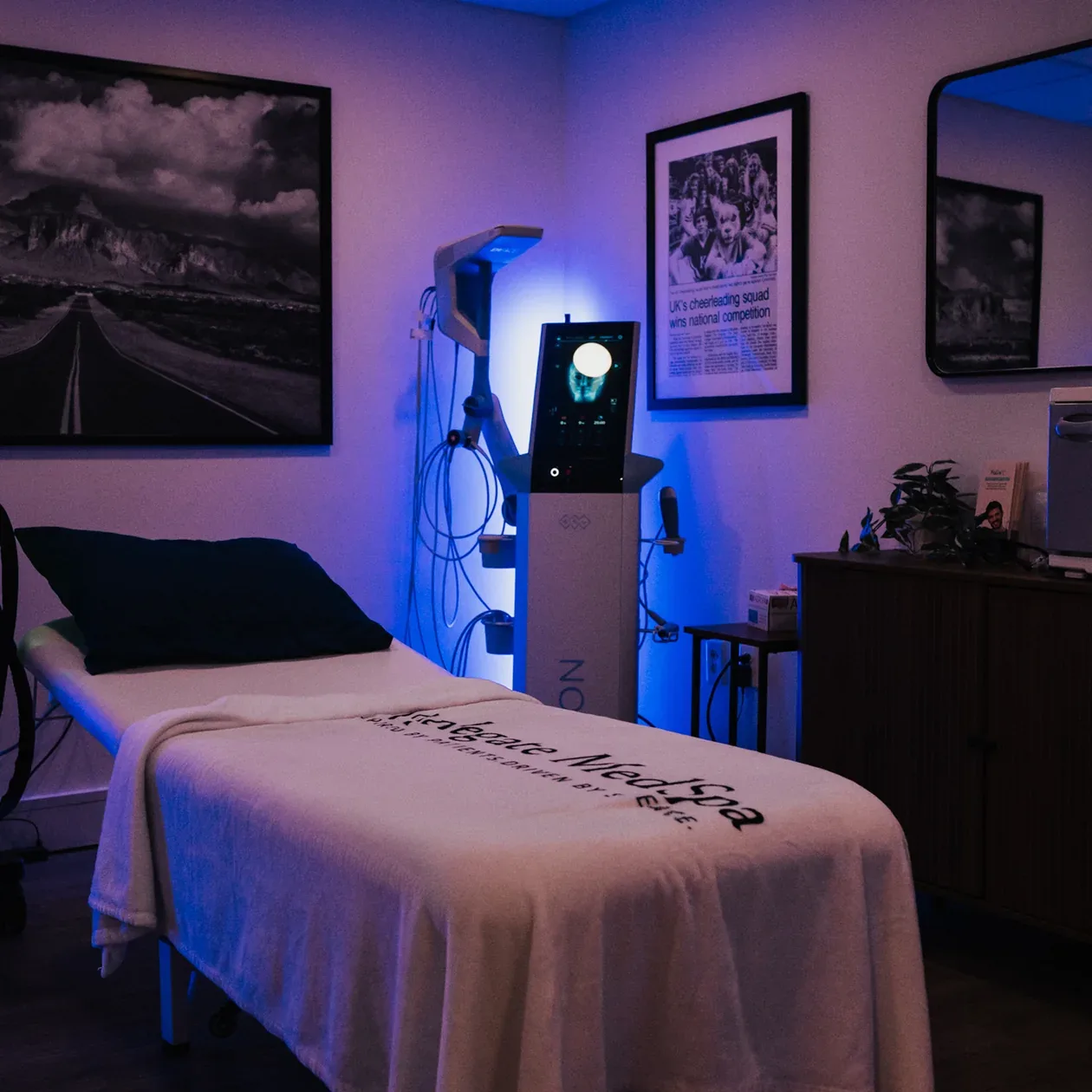
Acne Treatment in Covington, KY
Calm Breakouts and Clear Congested Skin
- Common In:
- Teens and adults, women over 25
- Primary Causes:
- Hormones, excess oil, clogged pores, bacteria
- Treatment Time:
- 30-60 minutes
- Results:
- 4 to 12 weeks
Understanding Your Skin
What Is Acne and Why Does It Persist?
Recognizing the Signs
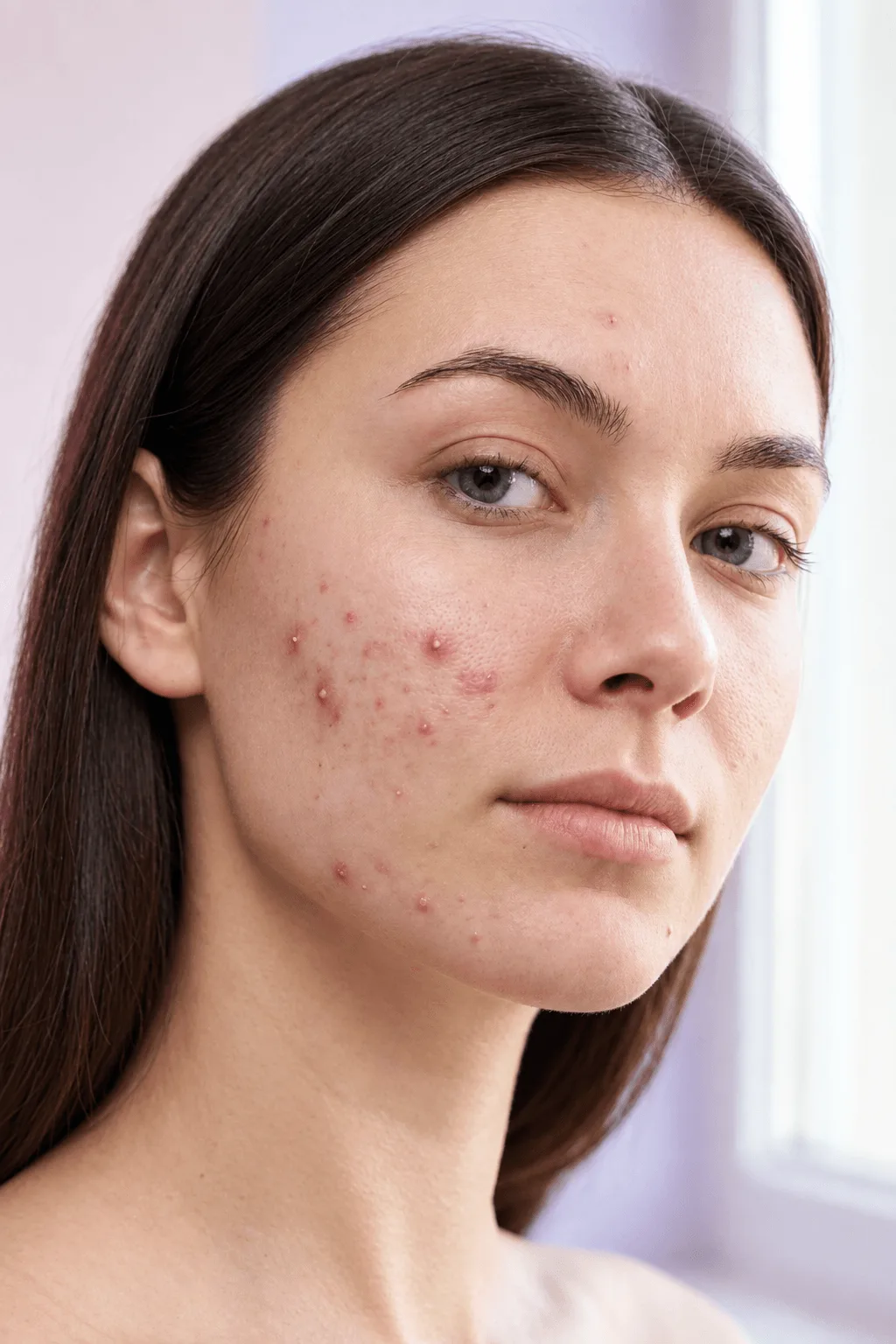
Acne is an inflammatory condition of the pilosebaceous unit, the pore and the oil gland attached to it. It develops when excess sebum, shed skin cells and Cutibacterium acnes bacteria collect inside a follicle, which sets off the redness, swelling and deep pressure that most people recognize as a breakout. Effective acne treatment starts with identifying which part of that cycle is misfiring in your skin.
When you look in the mirror and find new bumps along your jaw, chin or cheeks, you are watching that process surface. Adults in Covington, Newport and Latonia often tell us this is nothing like the acne they had at sixteen: it sits deeper, feels tender for longer and clears slowly even with careful home care.
That frustration is why so many adults across Kenton County and greater Cincinnati start by searching for acne treatment near me. Professional care works on what is happening inside the follicle rather than only drying the surface. Browsing the skin and wellness conditions we treat is a useful place to see where acne sits alongside the concerns it often travels with.
Why Acne Happens
Understanding the Root Causes
01The Science
A healthy follicle sheds its lining in a steady cycle of roughly 28 days, and the oil gland below releases just enough sebum to keep the skin barrier intact. In acne-prone skin that lining thickens and sheds unevenly, a process called follicular hyperkeratinization, so the opening of the pore narrows and traps everything behind it.
Once the follicle is plugged, sebum keeps arriving with nowhere to go. That warm, oxygen-poor pocket is ideal for Cutibacterium acnes, which multiplies and releases byproducts the immune system reads as a threat. The inflammatory response that follows is what turns an invisible clog into a red papule, a pustule or a deep, painful nodule. The American Academy of Dermatology notes that this same sequence continues well into adulthood for many patients.
Sebaceous gland activity is the engine behind all of it, which is why treatments that only exfoliate the surface tend to fall short. Targeting the gland itself with Exion Clear RF for active acne addresses the oil production driving the cycle rather than the blemish that has already formed.
02Deeper Understanding
Adult Acne After 40
How Hormonal Shifts Change the Skin
Adult acne is far more common than most patients expect, and it behaves differently from teenage acne. Research on adult female acne describes a distinct pattern: fewer blackheads across the forehead, more inflammatory lesions along the lower face, jawline and neck, and a tendency to flare in the week before a period.
The driver is usually sensitivity to androgens rather than an excess of them. During perimenopause, estrogen falls while androgen levels hold steadier, so the sebaceous glands respond more strongly than they used to. Skin that is simultaneously drier and thinner with age can still produce enough sebum to plug a follicle, which is why aggressive drying products often make adult acne worse instead of better.
The other difference is what breakouts leave behind. Mature skin repairs more slowly, so post-inflammatory marks and acne scars left behind after breakouts heal linger far longer than they did at twenty. Controlled resurfacing with chemical peels for acne-prone skin helps clear congestion while it works on that discoloration at the same time.
Contributing Factors
What Triggers and Worsens Adult Acne?
Identifying Your Triggers
Several factors usually stack on top of each other rather than acting alone, and the National Institute of Arthritis and Musculoskeletal and Skin Diseases lists most of them among the recognized contributors. Congestion also tends to travel with large pores and rough skin texture, so the two are often assessed together.
Hormonal Fluctuations
Shifts around menstrual cycles, pregnancy, perimenopause and stopping birth control raise oil output along the jaw and chin.
Androgen Sensitivity
Sebaceous glands can overreact to normal hormone levels, so bloodwork often comes back unremarkable while breakouts continue.
Follicular Congestion
Dead cells that shed unevenly narrow the pore opening and trap sebum and bacteria behind a plug you cannot see or squeeze out.
Pore-Clogging Products
Heavy moisturizers, long-wear foundations and rich hair products can occlude follicles along the hairline, jaw and back.
Stress and Poor Sleep
Elevated cortisol increases oil production and slows barrier repair, which is why flares often follow demanding stretches at work.
Over-Treating at Home
Frequent scrubbing, alcohol-based toners and layered actives strip the barrier, and compromised skin inflames more easily.

Why Applegate
Why Choose Applegate MedSpa for Acne Care in Covington, KY
Acne care at Applegate Dentistry & MedSpa is led by Elizabeth Taylor, APRN, a board-certified nurse practitioner with advanced aesthetic training through the American Academy of Facial Esthetics. She builds each plan around what is driving your breakouts, not a fixed protocol.
- Adult Acne Expertise
- We treat acne in patients well past their teens, including hormonal breakouts during perimenopause and menopause.
- Gland-Level Technology
- Exion Clear RF uses smart microablation to reach the sebaceous glands driving oil production, not just the surface.
- Barrier-First Approach
- We calm inflammation and rebuild the skin barrier rather than stripping skin that is already irritated and reactive.
- Dentist-Founded Practice
- Dr. Barry Applegate brings decades of facial anatomy expertise to a med spa serving Covington and greater Cincinnati.
- Two Routes, One Sequence
- Exion Clear RF and medical grade peels are both in the building, so active breakouts and the marks they leave behind are treated in one planned sequence rather than two referrals.
- Nurse Practitioner Led
- Elizabeth Taylor, APRN, a board-certified nurse practitioner, sees you at the consultation and plans every session herself.
Comparing Acne Treatment Options
Compare the two acne treatments offered at our Covington, KY practice to see which fits your skin and schedule.
| Treatment | Best For | Session Time | Results Timeline | Maintenance |
|---|---|---|---|---|
| Skin Resurfacing with Exion Clear RF | Active acne and oil control | 45-60 minutes | 4 to 12 weeks | Series of 4 sessions |
| Chemical Peels | Congestion and post-acne marks | 30-45 minutes | 2 to 6 weeks | Series of 3 sessions |
You May Be Dealing With Acne If...
Recognizing your own pattern makes it much easier to choose the right approach, and most patients who see us for skin resurfacing in Covington, KY arrive after months of trying to manage breakouts alone.
Breakouts Along the Jaw
Your blemishes cluster on the lower cheeks, jawline and chin rather than across the forehead and nose.
Deep, Tender Bumps
You feel sore lumps under the skin for a week or more before anything comes to the surface, if it ever does.
Marks That Outlast the Spot
Brown or red patches stay visible for months after a breakout has healed, and makeup barely covers them.
Monthly or Cyclical Flares
Your skin behaves predictably for weeks, then breaks out on a schedule you could almost mark on a calendar.
Congested, Rough Texture
Your skin looks bumpy in side lighting and feels gritty even on days when nothing has come to a head.
Products Stopped Working
Cleansers and spot treatments that once helped now leave your skin irritated, tight and no clearer than before.


Related Treatment
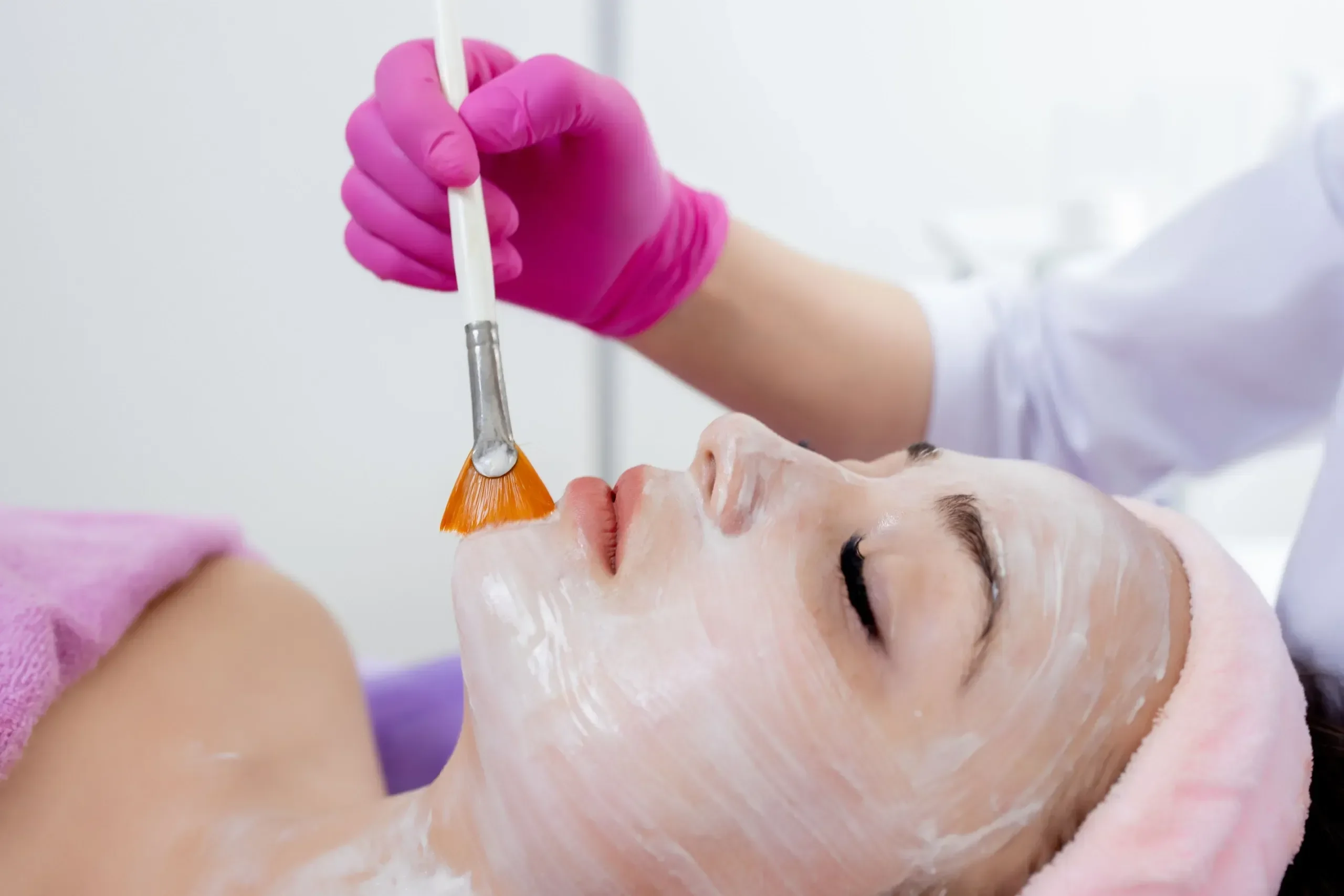
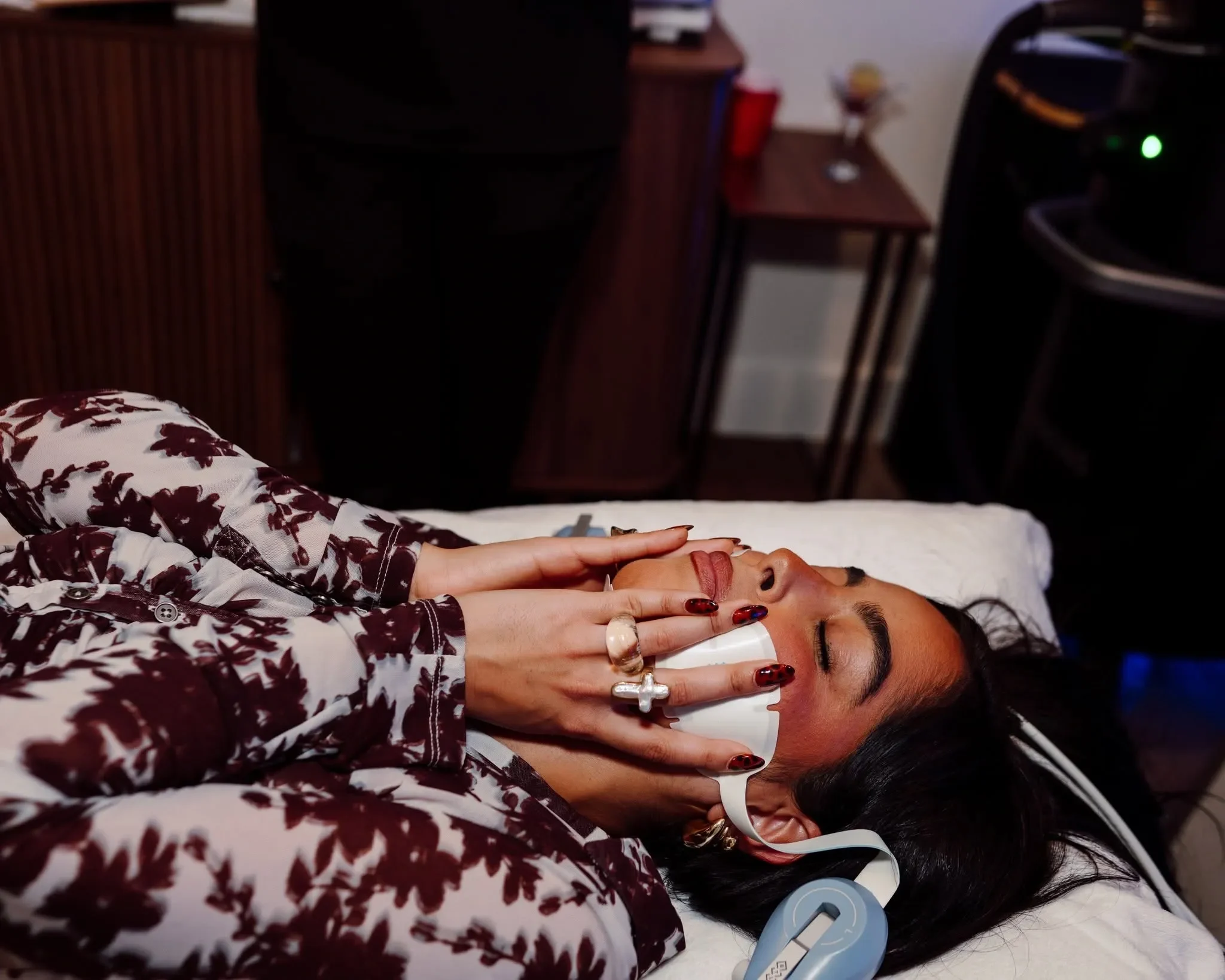
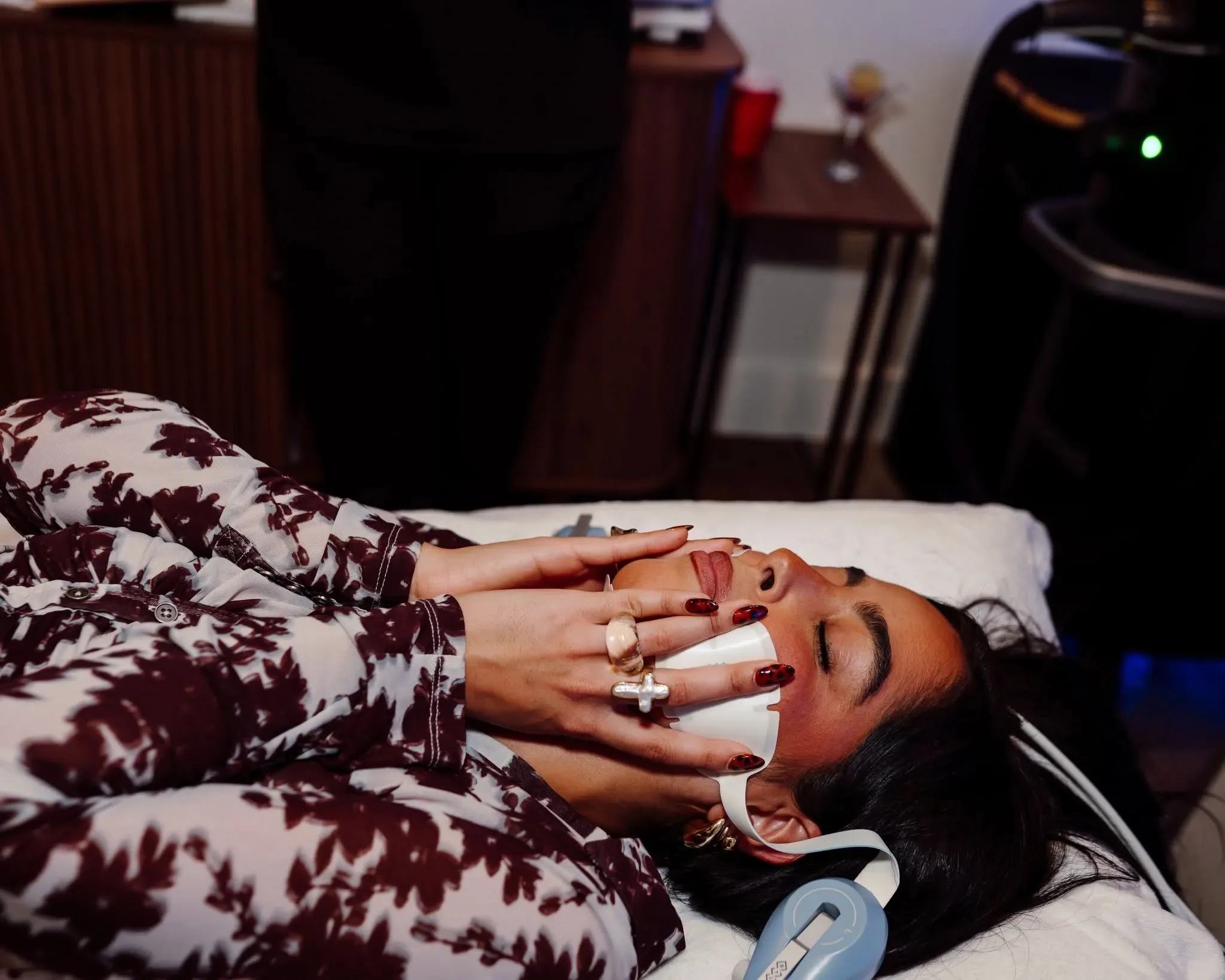
Skin Resurfacing with Exion Clear RF
Smart microablation that refines tone, texture, pore size and clarity.
- Broad Skin Improvement
- Short Recovery
- No Needles
Related Treatment
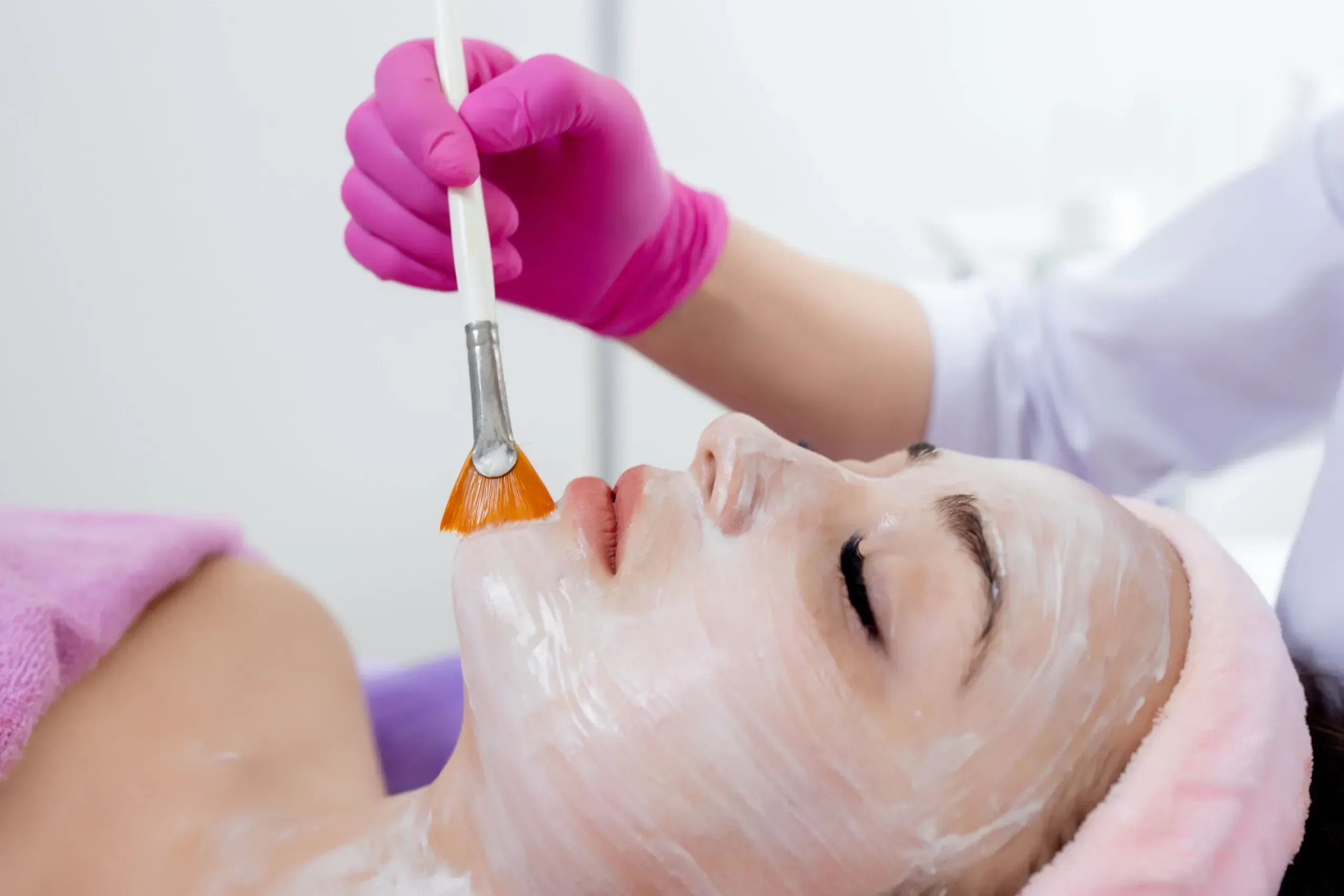
Chemical Peels
Two depths, one clear plan
- Two Depths
- Quick Sessions
- More Than Face
Related Treatment
Dermaplaning
Manual exfoliation that clears dead skin and peach fuzz for a visibly smoother, brighter surface.
- Immediate Results
- Needle Free
- Better Absorption

Your Questions
Frequently Asked Questions
Why am I getting acne in my forties when I never had it as a teenager?
How quickly will I see my skin improve?
Which treatment is right for my acne?
Can I combine treatments for acne?
What can I do at home between appointments?
Does acne treatment hurt, and is there downtime?
How much does acne treatment cost in Covington, KY?
Schedule Today Your Acne Consultation
Scientific References
- Tan JK et al., British Journal of Dermatology. (2015). A global perspective on the epidemiology of acne. PMID: 25597339.
- Bagatin E et al., Anais Brasileiros de Dermatologia. (2019). Adult female acne: a guide to clinical practice. PMID: 30726466.
- Cong TX et al., Archives of Dermatological Research. (2019). From pathogenesis of acne vulgaris to anti-acne agents. PMID: 30859308.
- Deng Y et al., Medical Science Monitor. (2024). Skin barrier dysfunction in acne vulgaris: pathogenesis and therapeutic approaches. PMID: 39668545.
- Conforti C et al., Giornale Italiano di Dermatologia e Venereologia. (2020). Chemical peeling for acne and melasma: current knowledge and innovations. PMID: 31804050.
- Liu H et al., Cochrane Database of Systematic Reviews. (2020). Topical azelaic acid, salicylic acid, nicotinamide, sulphur, zinc and fruit acid for acne. PMID: 32356369.
- American Academy of Dermatology. (2024). Patient guidance on adult acne, its common triggers and when to seek professional care.